In recent years, consumers have become increasingly aware of what they eat and drink. They seek transparency in food labeling, aiming for products with clear and recognizable ingredients. This shift in consumer behavior highlights a growing demand for brands to develop clean-label ingredients for food and beverages. Clean-label products often emphasize natural, wholesome components without unnecessary additives.
However, achieving clean-label status is not always straightforward. Companies must navigate complex regulations and sourcing challenges. Many brands struggle to find reliable suppliers who can guarantee transparency and sustainability. Moreover, some ingredients may require reformulation, which can affect taste and texture. These hurdles can be daunting, yet they offer opportunities for innovation. By embracing clean-label practices, companies can enhance their credibility and build trust with health-conscious consumers.
As we delve deeper into the topic, we will explore the benefits of clean-label ingredients. We will also consider the potential challenges faced by manufacturers in this evolving landscape. The journey towards cleaner products is not without its difficulties, but the rewards can be significant for both brands and consumers.
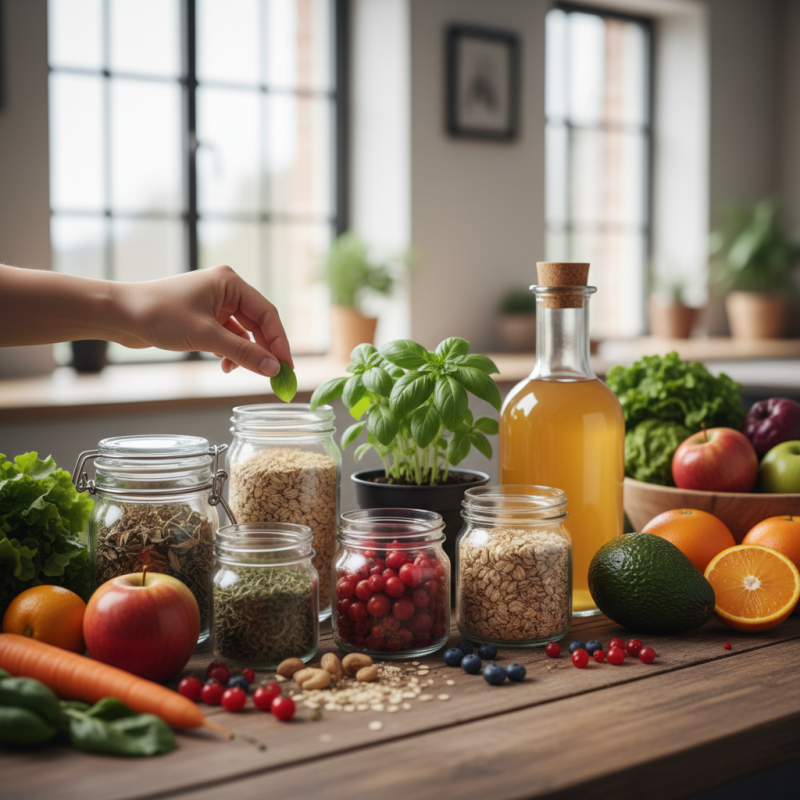
Clean-label ingredients are becoming essential in the food and beverage industry. Consumers demand transparency and quality. According to a report by the Clean Label Project, 75% of consumers prefer products with clean labels, showing a significant shift in purchasing habits. Clean-label ingredients often have fewer additives and preservatives. This makes them more appealing to health-conscious shoppers.
The term "clean-label" refers to products that disclose their ingredients clearly and honestly. Many consumers are wary of long, complicated ingredient lists. They increasingly favor items that highlight natural and recognizable components. A survey by Nielsen found that 60% of consumers are willing to pay more for clean-label products. This illustrates the growing importance of ingredient integrity.
**Tips:** Look for products that list whole foods as primary ingredients. Challenge yourself to read labels carefully. Less familiar terms often indicate added chemicals. Alternatively, consider asking brands about their sourcing practices. Transparency is a hallmark of clean-label. Remember, not all marketed "natural" products meet clean-label standards. Prioritize brands that align with your values.
In today's food landscape, transparency in labeling is essential. Consumers increasingly demand clarity about what they eat. Clean-label ingredients symbolize this desire. They represent simple, recognizable components and avoid unnecessary additives. When labels are clear, consumers feel empowered to make informed choices.
Tips: Look for short ingredient lists. A clean label often contains fewer than ten ingredients. Avoid long chemical names that are hard to pronounce. They may indicate unnecessary processing.
Transparency fosters trust between brands and consumers. When companies disclose sourcing and processing methods, it builds credibility. People want to know where their food comes from. They seek reassurance that products align with their health goals. Yet, some brands still shy away from full transparency. This lack of openness can lead to distrust.
Tips: Pay attention to third-party certifications. They can provide insight into a product's integrity. Research the brand’s values and practices. Choose brands that prioritize transparency in their mission. Making informed choices supports excellent nutrition and sustainable practices.
Clean-label ingredients have gained attention for their potential health benefits. People are increasingly aware of what they consume. This shift reflects a desire for transparency in food and beverages. Clean-label products often contain fewer additives, preservatives, and artificial flavors. Such choices can reduce the risk of encountering harmful ingredients.
Opting for clean-label ingredients can improve overall nutrition. These products tend to be richer in essential nutrients. Natural ingredients are often easier for the body to process. Consumers might notice increased energy levels and better digestion. However, not all clean-label products are created equal. Some can still contain high levels of sugar or unhealthy fats. It's vital to read labels carefully.
Choosing clean-label foods requires critical thinking. Just because a product is labeled as "clean" doesn’t mean it’s always healthy. Some consumers may let trends influence their choices. This can lead to confusion. Understanding individual dietary needs remains essential. Each person's body reacts differently to various ingredients. Balancing personal preferences with informed choices is key.
Consumers are increasingly drawn to clean-label ingredients in food and beverages. They want transparency and simplicity in what they consume. This trend signals a shift in consumer preferences. Shoppers often read labels carefully. They prefer products with minimal ingredients, those that are recognizable and easy to understand. These ingredients foster trust and confidence.
Recent studies show that many consumers are willing to pay more for clean-label products. They seek reassurance about the quality and origin of their food. Transparency in ingredients can lead to loyalty. However, not all brands can meet these new expectations. Some struggle with meeting clean-label demands while maintaining taste and shelf life. As a result, manufacturers must innovate and adapt, reflecting the growing importance of clean labels.
The clean-label movement challenges brands to communicate clearly. It’s essential for them to explain the benefits of their ingredients effectively. When companies genuinely embrace this trend, they can build stronger connections with health-conscious consumers. The path to clean-label excellence is not always clear. Brands must navigate market pressures while staying true to the clean-label ethos.
Sourcing and certifying clean-label ingredients can be a complex task. The demand for transparency places pressure on food manufacturers. According to a 2022 report by the Clean Label Project, 90% of consumers prefer products with recognizable and simple ingredients. However, sourcing these ingredients often presents significant challenges.
One major issue is the lack of standardized definitions for what constitutes "clean-label." Different countries have varying regulations. This inconsistency can confuse manufacturers and consumers alike. Moreover, the supply chain for organic or non-GMO ingredients can be fraught with issues. Ensuring that suppliers meet certification standards can require rigorous auditing processes.
Tip: When selecting ingredients, consider working with suppliers who are transparent about their sourcing and certification processes. Look for companies that provide third-party verification.
Moreover, the cost of clean-label ingredients can be prohibitive. A survey from the Specialty Food Association found that nearly 70% of producers cite rising costs as a barrier to adopting clean-label ingredients. While the trend grows, finding affordable options is essential for many brands. This could mean reevaluating sourcing strategies or looking for innovative ingredient alternatives.
Tip: Regularly assess your ingredient suppliers. Ensure they comply with recognized clean-label standards and are open to collaboration.
: It empowers consumers to make informed choices about what they eat.
Check for short ingredient lists, usually fewer than ten items.
By disclosing sourcing and processing methods, companies enhance their credibility.
They often contain fewer harmful additives and provide essential nutrients.
No, some may still have high sugar or unhealthy fats. Read labels carefully.
Increased demand encourages manufacturers to innovate and maintain taste while simplifying ingredients.
They offer insight into a product's integrity and the brand's commitment to transparency.
Yes, consumers might choose based on fads rather than personal dietary needs.
They may fear losing customers or face challenges in meeting clean-label expectations.
Companies need to explain clearly and genuinely to connect with health-conscious consumers.
The article "Why Choose Clean-Label Ingredients for Food and Beverages?" explores the significance and growing necessity of clean-label ingredients in the food and beverage industry. Clean labels represent transparency, allowing consumers to better understand what they are consuming. The article emphasizes that health benefits are associated with these ingredients, as they often contain fewer artificial additives and preservatives. Additionally, consumer trends indicate an increasing demand for transparency and natural options, pushing manufacturers to develop clean-label ingredients for food and beverages.
However, the journey to sourcing and certifying clean-label ingredients poses challenges, including supply chain complexities and regulatory requirements. Addressing these issues is crucial for manufacturers who aim to meet the evolving expectations of health-conscious consumers. Overall, the push for clean labels reflects a broader movement towards healthier and more transparent food options.

Herbpro Biotech