How to Choose the Best Organic Herbal Powders for Health?

Time:2026-03-18 Author:Liam
0%

Choosing the right Organic Herbal Powders can significantly impact your health journey. These powders are derived from natural sources, providing various benefits. They can enhance your nutrition. However, selecting the best options requires careful consideration.

Many brands claim to offer high-quality Organic Herbal Powders. Yet, not all products are created equal. Some may contain fillers or additives that diminish their effectiveness. It’s essential to read labels and understand what you’re purchasing. Transparency in sourcing is crucial. Knowing where and how these herbs are grown is vital for your health.

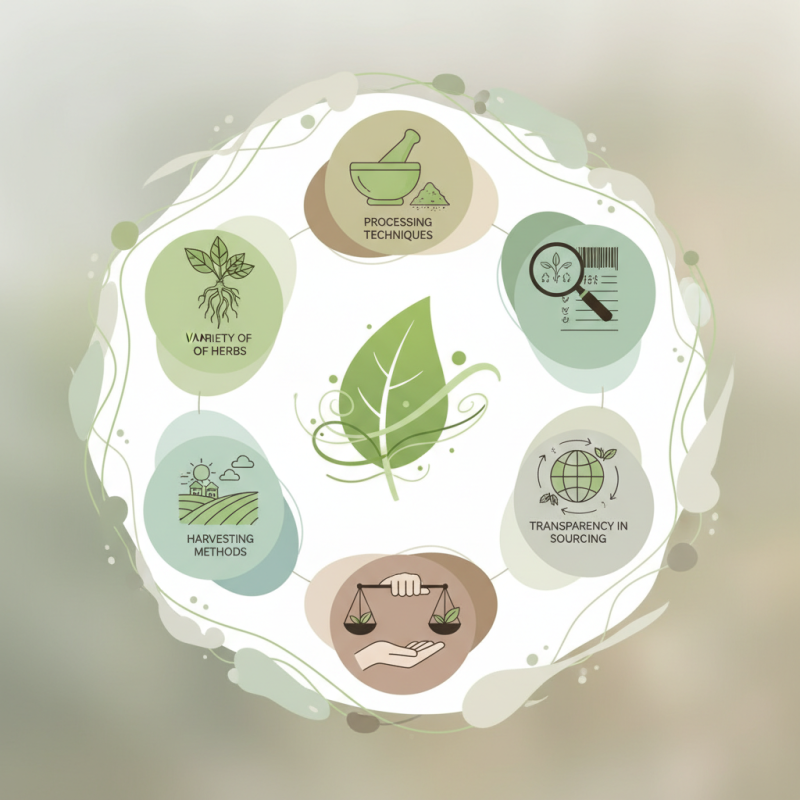
You might wonder what makes one powder better than another. Factors such as harvesting methods and processing techniques matter. Sometimes, a more expensive option may be worth it. However, be cautious of marketing gimmicks. Assess the overall value and not just the price tag. This careful evaluation will guide you toward the healthiest choices.
How to Choose the Best Organic Herbal Powders for Health?

Understanding Organic Herbal Powders and Their Benefits

Organic herbal powders have gained popularity for their health benefits. These powders come from plants that are grown without synthetic fertilizers or pesticides. Research shows that organic herbs contain higher levels of nutrients. A study by the Journal of Agricultural and Food Chemistry found that organic options often have 20-30% more antioxidants than conventional ones. Antioxidants help combat free radicals, improving overall wellbeing.

Many people turn to herbal powders for specific health needs. For example, turmeric powder is widely known for its anti-inflammatory properties. A report from the Center for Disease Control showed that chronic inflammation affects millions globally. Using turmeric may help manage this issue, promoting better health. However, not all powders are created equal. Factors such as soil health and processing methods can affect their quality.

Choosing the right herbal powder requires some research. Look for certifications that verify organic status. But even then, the potency can vary. Some users report little effect from certain brands. This inconsistency highlights the need for personal experimentation. Keep a journal of your experiences. Track changes in your health to find what works best for you.

Identifying Quality Indicators in Organic Herbal Powders

When selecting organic herbal powders, quality is key. Look for vibrant colors and rich scents. These indicators often point to freshness and proper sourcing. A faded color or dull smell can suggest age or poor handling. Pay attention to the texture, too. High-quality powders feel silky and fine. Coarse textures might indicate lower quality ingredients.

Transparency is another hallmark of good products. Brands should provide clear information about sourcing and processing. Be wary of those that lack details. Certification is crucial as well. Organic certifications ensure that herbs are grown without harmful pesticides. Research each option thoroughly.

Consumer reviews can provide insight, but take them with caution. They might not always reflect true quality. Trust your senses. If something feels off, it probably is. Understanding these indicators will help you choose wisely. Quality matters for your health. Choose thoughtfully.

How to Choose the Best Organic Herbal Powders for Health? - Identifying Quality Indicators in Organic Herbal Powders

Herbal Powder Color Texture Smell Taste Country of Origin Certification
Ashwagandha Light Brown Fine Powder Earthy Bitter India USDA Organic
Moringa Leaf Vibrant Green Smooth Powder Herbal Umami Africa Non-GMO
Spirulina Deep Green Fine Powder Oceanic Slightly Bitter Hawaii EU Organic
Turmeric Bright Yellow Powdery Pungent Spicy India Certified Organic
Ginger Light Brown Fine Granular Spicy Hot China Organic compliant

Evaluating Sourcing and Production Practices of Herbal Powders

When exploring organic herbal powders, it’s crucial to evaluate their sourcing and production practices. Look for herbs that are sustainably harvested. This often indicates a commitment to environmental health. Ask questions about the origin of the herbs. Are they grown in clean, pesticide-free areas? Transparency in sourcing is essential for ensuring quality.

Production practices matter just as much. Is the processing done in a controlled environment? High-quality herbal powders should undergo minimal processing. This helps retain their potent properties. Additionally, check if the herbs are tested for contaminants. Many sellers may not disclose this information. It’s vital to understand how these decisions impact the final product.

There are always challenges in finding the right suppliers. Sometimes claims can feel vague or exaggerated. Trust your instincts when something feels off. Engaging with brands that communicate openly can enhance the decision-making process. Remember, organic doesn’t always mean perfect. Keep researching, and don't hesitate to seek clarity on sourcing and production methods.

Analyzing Nutritional Content and Uses of Various Herbal Powders

When selecting organic herbal powders, it's crucial to analyze their nutritional content. Some powders are rich in vitamins and minerals, while others offer unique health benefits. For instance, spirulina is a blue-green algae known for its high protein content. It also contains essential fatty acids and antioxidants. In contrast, maca root powder provides energy and can balance hormones.

Understanding how to use herbal powders is just as important. Often, they can be added to smoothies or baked goods. Turmeric powder, known for its anti-inflammatory properties, can be mixed into soups or rice dishes. However, not all herbal powders suit everyone. For example, some might find ginger powder too spicy for their taste. It’s necessary to experiment with different options to find what works best.

The source of the herbal powders also matters. Not all sources provide the same quality. Some may contain additives, while others may not be processed properly. Always check for purity and origin. A little research can prevent potential issues. Finding the best herbal powders requires patience and reflection on individual health needs.

Tips for Safe Consumption and Dosage of Herbal Powders

When considering herbal powders for health, it's crucial to focus on safe consumption. Start with small doses, especially if you're new to herbal powders. Consult with a healthcare professional if you have health conditions or are pregnant. They can provide guidance tailored to your needs.

Pay attention to your body's reactions. Some people might experience mild side effects, like digestive discomfort. Listen to your body and adjust the dosage accordingly. A good practice is to keep a journal of your experiences. This reflection can help you gauge what works best for you.

Organic herbal powders vary in potency. It's wise to research the recommended dosages for each specific herb. Some may be effective in small amounts, while others might require more. Never assume that more is better. Excessive intake can lead to unwanted effects. Use caution, and enjoy exploring the benefits of herbal remedies safely.

FAQS

: What are organic herbal powders?

: Organic herbal powders come from plants grown without synthetic fertilizers or pesticides.

Why are organic herbal powders considered healthier?

They often contain 20-30% more antioxidants than conventional herbs, supporting better health.

How can turmeric powder benefit me?

Turmeric has well-known anti-inflammatory properties that may help manage chronic inflammation.

Why might some herbal powders not work for me?

The quality varies due to factors like soil health and processing methods, affecting potency.

How should I choose herbal powders?

Look for organic certifications, but conduct personal experiments to find what works for you.

Can I add herbal powders to my meals?

Yes, many can be added to smoothies, soups, or baked goods for health benefits.

What should I watch for when sourcing herbal powders?

Check for purity and origin, as some may contain additives or be poorly processed.

How can I keep track of my experiences with herbal powders?

Maintain a journal to track health changes based on different powders you try.

Are all herbal powders suitable for everyone?

No, some may dislike certain flavors, like ginger, requiring experimentation to find preferences.

What is the importance of patience in choosing herbal powders?

Finding the best options takes time and reflection on your unique health needs.

Conclusion

Organic Herbal Powders are gaining popularity for their numerous health benefits, making it essential to understand how to choose the best ones. This article outlines key factors to consider, starting with an understanding of the benefits these powders offer. Identifying quality indicators, such as certification and purity, is crucial in selecting high-grade organic herbal options.

Additionally, it's important to evaluate the sourcing and production practices of these powders to ensure ethical and sustainable practices. Analyzing the nutritional content and intended uses of various herbal powders can help in choosing the right type for specific health needs. Finally, the article provides valuable tips for safe consumption and appropriate dosages to maximize the benefits while minimizing risks.

Liam

Liam

Liam is a dedicated marketing professional with a profound expertise in the industry, where he excels at highlighting the unique advantages of our core products. With a keen understanding of market trends and consumer needs, Liam frequently updates our company’s professional blog, providing......