In recent years, the demand for clean label ingredients has surged in the food and beverage industry. Consumers want transparency about what they eat and drink. This shift is pushing manufacturers to innovate and adapt. Dr. Emily Carter, an expert in food science, states, "To develop clean-label ingredients for food and beverages, we must prioritize natural sources and eliminate unnecessary additives." Her insights highlight the essence of clean labels.
The clean label trend isn't just a fad; it reflects a growing consciousness among consumers. When people read labels, they seek familiar and simple ingredients. This demand challenges companies to reformulate products. Failure to adapt may result in losing market share to competitors embracing clean label practices.
Developing clean-label ingredients for food and beverages often comes with obstacles. Many companies grapple with balancing cost and quality. Additionally, sourcing truly natural ingredients can be difficult. A commitment to clean labels may lead to higher production costs and reformulation challenges. Nevertheless, the long-term benefits often outweigh these challenges.
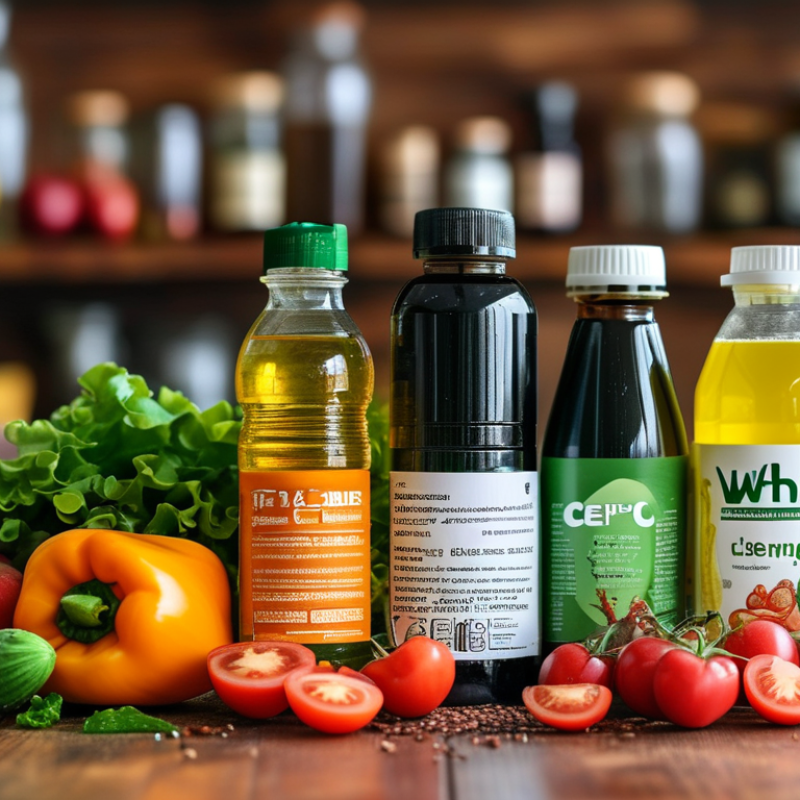
Clean label ingredients have gained traction in the food and beverage industry. This concept emphasizes transparency and simplicity in product labeling. Clean label ingredients are those that consumers can recognize and understand. They often contain no artificial additives or preservatives. This approach resonates with health-conscious individuals seeking minimalism in their diets.
Consumers want clarity about what they eat. A clean label instills trust and confidence. Understanding ingredients fosters a deeper connection to food. Many individuals are shifting away from products loaded with complicated chemicals. They prefer those made with real, recognizable components. The clean label movement encourages brands to improve ingredient sourcing and enhance nutritional profiles.
This shift prompts a re-evaluation of food production practices. Some manufacturers struggle with the transition. Adopting clean labels requires commitment and innovation. Alongside this trend, there's a growing demand for ethical and sustainable sourcing. Ultimately, the clean label movement challenges both consumers and producers to reflect on their choices. It invites dialogue about food integrity and quality.
Choosing clean label ingredients for food and beverages offers numerous health benefits. These ingredients are often natural, making them easier for our bodies to process. They can enhance nutrient absorption. Many people today seek fewer artificial additives in their diets. This change can lead to improved overall health.
Embracing clean label ingredients can also reduce the risk of allergies and sensitivities. Many artificial preservatives cause reactions in certain individuals. By choosing products with cleaner labels, you can minimize these risks. It’s a step towards better digestion and wellness.
**Tips:** When shopping, read the labels carefully. Look for short ingredient lists. If you can’t pronounce it, reconsider it. Eating clean isn’t always easy, but it’s worthwhile. Consider experimenting with whole foods. Incorporate fresh fruits and vegetables into your meals. Gradual changes can lead to lasting habits.
| Ingredient Type | Health Benefits | Common Sources | Usage in Products |
|---|---|---|---|
| Natural Sweeteners | Lower glycemic index, fewer calories | Honey, maple syrup, agave | Beverages, snacks, desserts |
| Whole Grains | High in fiber, supports digestion | Oats, brown rice, quinoa | Breads, cereals, snacks |
| Plant-Based Proteins | Low in saturated fat, heart-healthy | Peas, beans, lentils | Protein bars, meat substitutes, soups |
| Fermented Ingredients | Improves gut health, boosts immunity | Yogurt, kimchi, sauerkraut | Dairy products, salads, condiments |
The shift towards clean label products reflects a deeper consumer awareness. People are increasingly interested in what goes into their food. They seek transparency and simple ingredients. This trend is driven by growing health consciousness and a desire for quality. Consumers today want to know the origin of ingredients. They appreciate natural flavors over artificial additives.
Surveys show that many people prefer products with fewer ingredients. They are drawn to labels that highlight clean, recognizable components. This trend is not just a passing phase; it signals a significant change in consumer behavior. However, some brands struggle to meet this demand. They often have to reformulate recipes, which can be challenging. Achieving a balance of taste and health is not always straightforward.
Careful sourcing and formulation are essential. Brands must be intentional about ingredient selection. This can lead to innovation, but it also requires reflection on existing practices. The disconnect between consumer expectations and product offerings can be troubling. Brands that embrace clean label principles may find new opportunities. Yet, they must continuously adapt to stay relevant in a fast-evolving market landscape.
Regulatory standards for clean label ingredients vary by region. Manufacturers must comply with guidelines set by relevant authorities. These standards promote transparency in food labeling. They ensure that consumers know what they are consuming. Each ingredient should be clearly recognizable and should not mislead the buyer.
Certifications play a crucial role in validating clean label claims. They provide assurance to consumers about ingredient integrity. Third-party organizations often evaluate products for compliance. These certifications can include non-GMO, organic, and allergen-free statuses. But not all certifications are equal; some may lack rigor. This inconsistency raises questions about their reliability.
Navigating these regulatory landscapes can be complex. Brands must stay informed about evolving standards. Moreover, consumers should educate themselves about certifications. It’s important to read labels carefully. Each ingredient deserves scrutiny. This helps individuals make informed choices regarding their food and beverage consumption. The journey towards cleaner ingredients is ongoing and requires diligence from all stakeholders.
Sourcing clean label ingredients comes with its challenges. One major consideration is ensuring transparency in the supply chain. Consumers want to know where their food comes from. This means businesses must vet suppliers thoroughly. Sourcing from reliable sources takes time. It requires research and an understanding of ingredient origins.
Quality assurance is another challenge in clean label sourcing. Not all suppliers can provide the level of documentation needed to confirm ingredient integrity. Maintaining high standards is critical. It’s important to regularly test and verify ingredients. This can be resource-intensive but ensures product safety and reliability.
Tips: Always request documentation from suppliers for clean labels. Regular audits of your supply chain can reveal potential issues. Additionally, consider forming partnerships with suppliers committed to transparency. This can ease the sourcing process. Balancing quality with cost can lead to tough choices. Reflecting on these dilemmas is part of the journey toward achieving clean label standards.
: Clean label ingredients are natural and easier for our bodies to process.
They enhance nutrient absorption and reduce artificial additives, promoting overall health.
Yes, opting for clean labels can minimize risks of reactions to artificial preservatives.
Read labels carefully. Look for short ingredient lists and ingredients you can pronounce.
No, it can be challenging. However, gradual changes can lead to lasting habits.
Ensuring supply chain transparency and verifying ingredient quality can be difficult.
Consumers want to know ingredient origins. Reliable suppliers help maintain ingredient integrity.
Regular testing and documentation requests from suppliers support product safety.
Look for suppliers committed to transparency. This can simplify the sourcing process.
Yes, balancing quality and cost can lead to difficult choices. Reflecting on these is necessary.
Clean label ingredients refer to products that are made with straightforward, recognizable components, promoting transparency and consumer trust in food and beverages. The health benefits of choosing these ingredients include reduced exposure to synthetic additives and preservatives, which can contribute to improved overall well-being. As consumer demand for clean label products rises, brands are increasingly compelled to develop clean-label ingredients for food and beverages to align with market trends that favor natural and minimally processed options.
Regulatory standards and certifications play a crucial role in ensuring that clean label claims meet consumer expectations, fostering confidence in the integrity of the products. However, sourcing clean label ingredients poses challenges such as availability, cost, and maintaining product stability. Addressing these considerations is essential for manufacturers aiming to meet the evolving preferences of health-conscious consumers while navigating the complexities of ingredient sourcing.

Herbpro Biotech