In today’s world, food preservation is vital. Consumers seek healthier options. The desire to **extend shelf life using natural preservative systems** is growing. Modern preservatives often contain artificial ingredients. Many are concerned about their health impacts.
Natural preservation techniques have emerged as effective alternatives. Methods such as using vinegar, salt, and citrus extracts can enhance longevity. They reduce spoilage without synthetic additives. The use of these techniques can lead to better food quality and freshness. Knowledge about these methods can empower consumers to make informed choices.
However, the effectiveness of natural preservatives can vary. Environmental factors also impact shelf life. Not all natural methods are universally applicable. It requires careful experimentation and adaptation to achieve desired results. Balancing safety and effectiveness can be challenging. Understanding these nuances is crucial for anyone looking to embrace natural preservation.
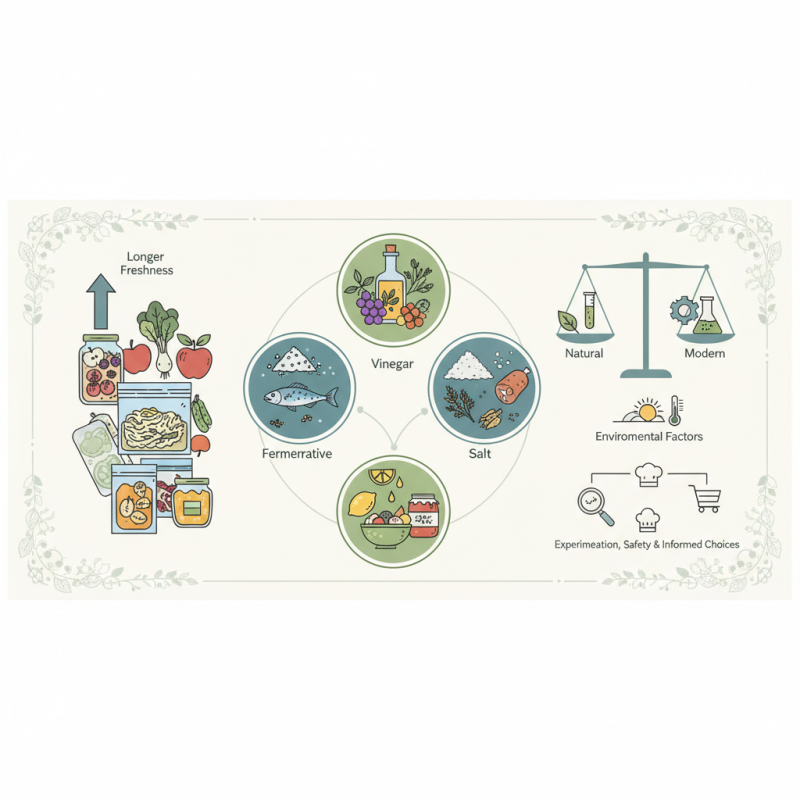
Natural preservation methods offer effective solutions to extend the shelf life of food. These techniques use ingredients that are readily available and can reduce waste. Familiar methods include using salt, vinegar, and sugar. They not only keep food fresh but can enhance flavor as well.
Tips: Experiment with salt for preserving fish or meat. It draws moisture and prevents spoilage. Sugar can be utilized in fruit preservation, creating jams or jellies that burst with flavor.
Fermentation is another fantastic method. It involves beneficial bacteria that improve flavor and gut health. Commonly fermented foods include yogurt and sauerkraut. Note that fermentation needs a controlled environment to prevent harmful bacteria.
Tips: Ensure cleanliness when fermenting foods. Monitor temperature and time to achieve the best results. A balance between acidity and sugar is crucial for success.
Food preservation is a vital aspect of the food industry. Understanding the science behind it can help extend shelf life naturally. Many effective techniques rely on controlling moisture, temperature, and acidity. Studies indicate that reducing moisture content can delay microbial growth, a leading cause of spoilage. For instance, drying fruits can maintain quality for several months.
Fermentation is another fascinating method. It uses beneficial bacteria to create an acidic environment. This process not only preserves food but enhances flavor and nutrition. In 2021, the International Journal of Food Microbiology reported that fermented foods can remain safe for months. However, inconsistent results occur if conditions aren't controlled.
Natural preservatives, like vinegar and salt, have been used for centuries. They're known to inhibit bacteria. But it's crucial to note that effectiveness varies with food types. Not every natural method works consistently for all products. Scientific research continues to explore how these techniques can be optimized, balancing safety and taste. As technology advances, the quest for new preservation methods remains.
This chart illustrates the effectiveness of various natural food preservation techniques in extending the shelf life of fruits and vegetables. Each technique represents its average percentage increase in shelf life compared to untreated produce.
Natural preservation techniques are gaining traction as consumers seek healthier food options. Common natural ingredients can significantly extend the shelf life of various products. Ingredients like vinegar, salt, and honey serve as effective preservatives. According to a report by the USDA, salt has been used for centuries to prevent spoilage in meats and vegetables. Honey's low moisture content creates an inhospitable environment for bacteria.
Using these natural preservatives can reduce food waste. Proper application is vital for efficacy. For example, a light coating of vinegar can prolong the freshness of fruits and vegetables. Salt not only enhances flavor but also acts as a barrier against microbes. Studies show that pickling with vinegar extends the shelf life of cucumbers by several months.
One important tip: always store preserved items in a cool, dark place. This can drastically improve their longevity. Additionally, experimentation with different ratios of these ingredients may lead to better flavors and preservation results. Keep in mind, not all natural methods yield perfect results. It's worth reflecting on your processes to find the most effective approach.
Effective food storage and preservation is vital for extending shelf life naturally. According to the USDA, nearly 30-40% of the food supply is wasted. Improper storage is a leading cause. Understanding techniques can significantly reduce this waste and enhance food safety.
One effective technique is using airtight containers. These containers limit exposure to air and moisture, crucial factors in spoilage. Vacuum sealing is also an excellent option. It reduces oxygen levels, slowing microbial growth. A report from Food Waste Reduction Alliance highlights that proper storage can extend the freshness of items by 50% or more.
Tips: Always label containers with dates. This practice helps keep track of freshness. Consider using a simple chart to monitor when foods should be consumed. Freezing is another option for long-term preservation. While it can change textures, freezing meals can help save unused ingredients.
Experimenting with different storage techniques could uncover surprising results. For instance, some fruits and vegetables may thrive better in certain environments, while others may spoil quickly. Reflect on your practices to find what works best for you.
Food preservation is a crucial aspect of maintaining quality while extending shelf life. Many techniques aim to slow spoilage without compromising taste or nutrition. Some methods include fermentation, drying, and the use of natural preservatives like vinegar or salt. Each approach impacts the food's quality differently. For example, drying fruits enhances sweetness but may reduce some vitamins.
It's essential to evaluate how these preservation techniques affect flavor and texture. Fermented foods often have a tangy taste that may not appeal to everyone. Sometimes, methods that prolong shelf life can alter the original characteristics of the food. Moreover, some preservatives might have a less desirable taste. Balancing shelf life and food quality is often challenging.
Consumers should be aware of the trade-offs involved in preservation. Choosing the right technique requires a deeper understanding of food science. Observing how food changes during preservation can lead to better choices. Reflecting on these aspects makes us appreciate the complexities of food quality. Enjoying preserved foods means navigating this intricate landscape.
| Preservation Technique | Impact on Shelf Life (Days) | Effect on Taste | Nutritional Retention (%) | Cost Effectiveness ($) |
|---|---|---|---|---|
| Canning | 365 | Good | 85 | Low |
| Freezing | 180 | Excellent | 90 | Medium |
| Dehydration | 365 | Good | 70 | Low |
| Pickling | 180 | Good | 80 | Low |
| Fermentation | 90 | Excellent | 75 | Medium |
: Natural preservation methods use common ingredients to extend food shelf life and reduce waste.
Salt draws moisture from fish and meat, preventing spoilage by creating an inhospitable environment for bacteria.
Sugar can be used to create jams or jellies, enhancing flavor while helping to preserve fruit.
Fermentation involves beneficial bacteria that improve flavor while offering health benefits for gut health.
Cleanliness, temperature control, and timing are crucial for successful fermentation and preventing harmful bacteria growth.
Ingredients like vinegar, salt, and honey vary in effectiveness. Some methods might not yield perfect results, requiring experimentation.
Yes, preservation can affect flavor and texture. This might result in a taste that doesn’t appeal to everyone.
Store preserved items in a cool, dark place to improve their longevity and maintain quality.
Reflecting on the trade-offs between shelf life and food quality is essential for making informed choices.
Enjoying preserved foods can be complex, as methods may alter original characteristics, requiring navigation of these changes.
In the quest to extend shelf life using natural preservative systems, various effective techniques have emerged that prioritize both food safety and quality. This article explores a range of natural preservation methods, emphasizing the importance of understanding the science behind them. Key ingredients, such as vinegar, salt, and certain herbs, can significantly extend food life while maintaining nutritional value.
Additionally, proper food storage techniques play a crucial role in preserving freshness and flavor, highlighting the synergy between natural ingredients and effective storage practices. Finally, the impact of preservation on food quality is discussed, ensuring that these methods not only enhance longevity but also contribute positively to the overall sensory attributes of the food we consume.

Herbpro Biotech