In today's world, consumers are increasingly aware of the ingredients in their food. The demand for clean-label products is rising. Many people prefer natural over synthetic options. This shift fosters curiosity about how to extend shelf life using natural preservative systems.
Natural preservatives offer potential benefits. They can maintain freshness and reduce waste. Options like salt, vinegar, and essential oils are gaining popularity. However, the effectiveness of these methods can vary. Not every natural additive works for all foods. Some may alter taste and texture, posing challenges for manufacturers.
Educating ourselves about these systems is crucial. Knowledge helps consumers make informed choices. It also pushes the food industry to innovate responsibly. Still, the journey of using natural preservatives is complex. There are success stories, but also many lessons to learn. Exploring solutions for extending shelf life while keeping foods natural is a worthwhile endeavor.
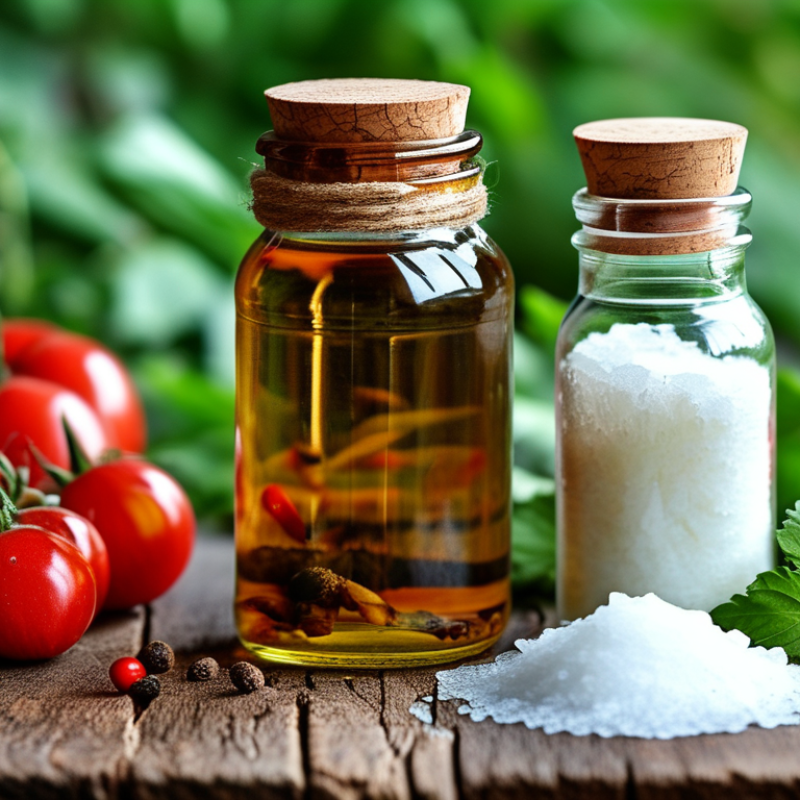
Natural preservatives offer numerous benefits compared to synthetic alternatives. Research shows that consumers increasingly prefer food products with natural ingredients. According to a report by Grand View Research, the global natural preservatives market could reach $1.2 billion by 2025, driven by rising health awareness.
One major benefit of natural preservatives is their safety profile. Unlike synthetic options, natural preservatives typically have fewer side effects. For example, rosemary extract, a natural antioxidant, not only extends shelf life but also enhances flavor without chemicals. This is essential for maintaining quality in food products.
**Tip:** Always read ingredient labels. Look for natural preservatives like citric acid or vinegar.
Additionally, consumer trends reveal a rising demand for clean-label products. A study from the Clean Label Project indicates that 75% of consumers prefer foods without artificial additives. By using natural preservatives, manufacturers can meet this demand. This often results in better customer loyalty and trust.
**Tip:** Consider making homemade products. You can use ingredients like honey or lemon juice for safe preservation.
While natural preservatives may have limitations, they offer a reliable alternative to synthetic solutions. Yet, balancing effectiveness and cost remains a challenge for many producers. Finding the right natural preservative to match shelf life requirements can require experimentation. Companies must continually assess their methods in line with industry developments.
: Natural preservatives are ingredients that extend shelf life without synthetic chemicals. Examples include vinegar, salt, and herbs.
Natural preservatives typically have fewer side effects and can enhance flavor without harmful chemicals. This promotes food safety.
Vinegar effectively inhibits bacterial growth in various foods, extending their shelf life significantly. It’s a versatile option.
Salt enhances flavor and draws moisture out, which helps prevent spoilage. A concentration of 2-5% is generally effective.
Yes, herbs like rosemary and thyme are natural antioxidants. They help prevent rancidity in oils and fats in products.
Yes, natural preservatives may not be as effective as synthetic alternatives. Effectiveness can vary based on temperature and storage.
Experiment with different preservative methods and ingredients. Evaluate the results for each specific recipe and storage condition.
Always read ingredient labels. Look for natural preservatives and ensure they align with your preferences for clean ingredients.
Homemade preserves can be safe and natural. Ingredients like honey or lemon juice are great choices for preservation.
Increasing health awareness leads more consumers to prefer clean-label products, pushing manufacturers to use natural preservatives for customer trust.
In recent years, the demand for healthier food preservation methods has led to increased interest in how to extend shelf life using natural preservative systems. Natural preservatives offer numerous benefits compared to their synthetic counterparts, including fewer side effects and the potential to enhance the nutritional value of food. Common natural ingredients like vinegar, salt, and various plant extracts have been shown to effectively prolong the shelf life of food products while maintaining flavor and safety.
Scientific studies support the effectiveness of these natural preservatives, demonstrating their ability to inhibit microbial growth and decay. Additionally, practical applications in home canning highlight how individuals can incorporate these natural options into their food preservation routines. However, it is essential to consider regulatory aspects when utilizing natural preservatives in food products to ensure compliance with safety standards. Overall, adopting natural preservatives not only promotes healthier eating but also supports sustainability efforts.

 Herbpro Biotech