Why Enhance Absorption of Active Pharmaceutical Ingredients?

Time:2026-10-07 Author:Amelia
0%

Why Enhance Absorption of Active Pharmaceutical Ingredients? This question reaches beyond formulation efficiency. It concerns how reliably a medicine reaches its intended site of action. A poorly absorbed ingredient may leave much of its dose unused. That can produce weak exposure, inconsistent responses, and unnecessary development costs.

Gordon L. Amidon, a leading biopharmaceutics researcher, stated, “The Biopharmaceutics Classification System is a scientific framework for classifying a drug substance based on its aqueous solubility and intestinal permeability.” This principle remains highly practical. Solubility, permeability, dissolution rate, and gastrointestinal conditions can shape pharmaceutical performance. Enhancing absorption may involve particle-size reduction, amorphous dispersions, lipid-based systems, or carefully designed excipients. Each approach demands evidence, not assumptions.

The real goal is controlled and reproducible exposure. A tablet must disintegrate, dissolve, cross biological barriers, and remain stable during transit. Food, gastric pH, enzymes, and patient differences can change that journey. Small details matter. A formulation can look impressive in laboratory testing yet perform less consistently in humans. That is an uncomfortable limitation, but it deserves attention. To Enhance absorption of active pharmaceutical ingredients responsibly, scientists must combine pharmacokinetic data, formulation experience, validated analytical methods, and patient-focused safety evaluation. Improved absorption is not automatically better treatment. The outcome must be predictable, clinically meaningful, and supported by reliable evidence.
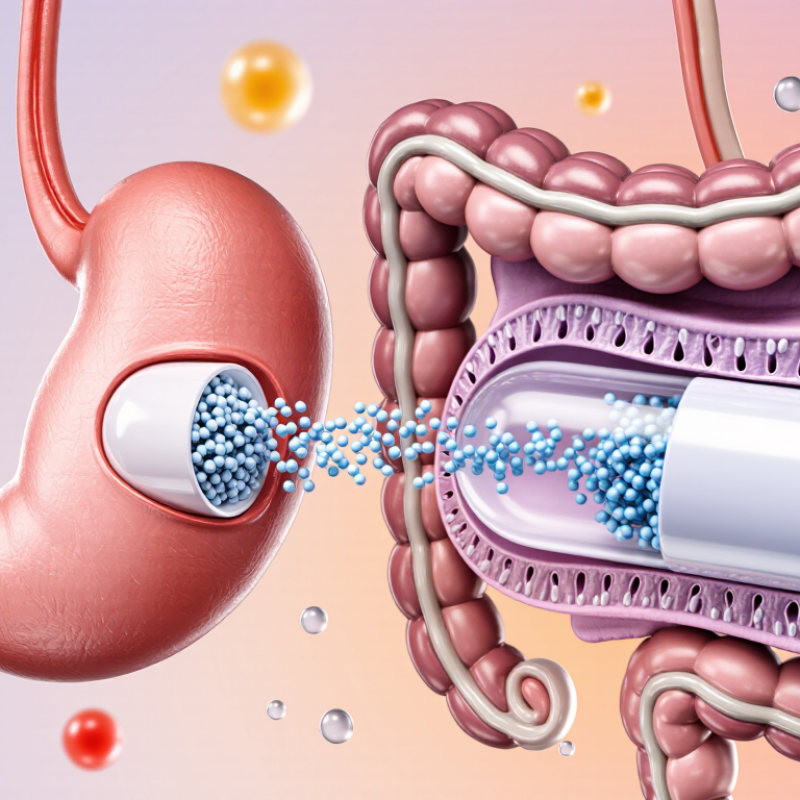
Why Enhance Absorption of Active Pharmaceutical Ingredients?

What Active Pharmaceutical Ingredient Absorption Means

Active pharmaceutical ingredient absorption describes how a drug moves from its dosage form into the bloodstream. It begins with disintegration and dissolution. Then, the molecule must cross the intestinal barrier. Enzymes, transporters, food, and gut movement can change this process. A 2023 review in Drug Discovery Today estimates that poor aqueous solubility affects about 40% of marketed drugs and up to 90% of development candidates. That gap can reduce exposure, delay therapeutic effects, or increase dose requirements.

Absorption is not a fixed score. The FDA’s guidance on bioavailability and bioequivalence emphasizes measuring systemic exposure through pharmacokinetic indicators, including area under the curve and maximum concentration. Dissolution testing also helps predict performance, but it cannot reproduce every patient’s digestion. A fasted volunteer may show strong absorption. A high-fat meal may produce a different result. Our models remain useful, but imperfect. That deserves more attention.

Tips: Assess solubility and permeability together, not separately. Compare fed and fasted conditions early. Review dissolution profiles across realistic pH levels. Use validated analytical methods and documented pharmacokinetic data. Watch for unexplained variability. Sometimes, the formulation is not the only problem. Patient physiology may matter more than expected.

Why Absorption Determines Drug Effectiveness

Why Enhance Absorption of Active Pharmaceutical Ingredients?

Why Absorption Determines Drug Effectiveness

A medicine cannot work fully if its active ingredient barely enters the bloodstream. Absorption controls how much drug becomes available at the intended site. It also affects how quickly effects begin. A tablet must dissolve, survive stomach conditions, and cross the intestinal wall. Food, gut movement, pH, and formulation design can change this journey.

The FDA’s Bioavailability and Bioequivalence guidance defines bioavailability by the rate and extent of absorption. These measures guide dose selection and product quality. A widely cited pharmaceutical-development estimate suggests that about 40% of new drug candidates have poor water solubility. A 2023 review in Advanced Drug Delivery Reviews also links low solubility with inconsistent oral exposure. That number is useful, but not perfect. It varies by dataset, dosage form, and development stage. Still, the practical concern is clear: a high-strength dose cannot repair weak absorption reliably. Too much may increase unwanted exposure, while too little may fail to produce a therapeutic response.

Factors That Limit Active Ingredient Absorption

Why Enhance Absorption of Active Pharmaceutical Ingredients?

Factors That Limit Active Ingredient Absorption

Poor absorption can quietly reduce a medicine’s effectiveness. The problem often begins with low aqueous solubility. A widely cited review in Advanced Drug Delivery Reviews reported that more than 40% of approved medicines have limited water solubility. That estimate remains useful, but it is not universal. Definitions and drug databases differ.

The gastrointestinal tract creates additional barriers. Stomach acidity can change molecular ionization. Food may delay gastric emptying or bind with ingredients. Intestinal enzymes and transporters can also reduce exposure. The FDA’s Biopharmaceutics Classification System highlights solubility and permeability as key absorption controls. A compound may dissolve slowly, cross the intestinal wall poorly, or face both limits.

Small details matter.

Particle size, crystal structure, and formulation excipients can alter dissolution speed. Yet improving dissolution alone may not solve permeability problems. Laboratory results can also overstate real-world performance because simple test fluids cannot reproduce every meal or patient condition. Careful studies should compare dissolution, permeability, and pharmacokinetics together. Published evidence should guide decisions, but it should not replace product-specific testing. This restraint is important, especially when absorption varies between healthy volunteers and patients with gastrointestinal disorders.

Why Enhance Absorption of Active Pharmaceutical Ingredients?

Factors that limit oral absorption include poor dissolution, pH-dependent ionization, limited intestinal permeability, gastrointestinal transit time, food effects, and enzymatic or transporter-mediated loss. The chart shows typical gastrointestinal pH values, which can strongly influence the solubility and ionization of an active pharmaceutical ingredient.

Values represent commonly reported approximate physiological pH ranges and are intended for educational use.

How Enhanced Absorption Improves Drug Performance

Enhanced absorption determines how much active pharmaceutical ingredient reaches circulation. The FDA’s 2022 guidance evaluates bioavailability through the rate and extent of systemic availability. Even small changes can affect onset, exposure, and dosing consistency. For poorly soluble compounds, dissolution may limit that journey. Industry literature often estimates that about 40% of marketed oral drugs have poor water solubility (Lipinski, 2000). That estimate is old. It remains useful, but not universal.

Better absorption can create more predictable plasma concentrations when food, gastric pH, or intestinal transit varies. It may support lower doses, easier administration, or steadier therapeutic exposure. However, improved absorption does not automatically mean better performance. Excess exposure can increase adverse effects, while rapid uptake may shorten coverage. The FDA therefore emphasizes pharmacokinetic measures such as AUC and Cmax, rather than dissolution results alone (FDA, 2022). Formulation teams may use particle-size reduction, wetting agents, lipid systems, or amorphous dispersions. Each option introduces trade-offs in stability, manufacturing, and patient handling. Market data also reflects this pressure: Grand View Research reported continued growth in advanced drug-delivery technologies, partly due to solubility challenges (Grand View Research, 2024). Forecasts are directional, not clinical proof. Human studies still matter most. Sometimes the formulation looks excellent on paper. Patient response is less tidy.

Methods Used to Increase Pharmaceutical Ingredient Absorption

Why Enhance Absorption of Active Pharmaceutical Ingredients?

Active pharmaceutical ingredients must reach the bloodstream in a usable form. Poor absorption can reduce treatment consistency, even when the dose appears correct. Several formulation methods can improve this process. Reducing particle size increases the surface area exposed to digestive fluids. This may help poorly soluble ingredients dissolve faster. Solubility can also improve through suitable salt forms, co-solvents, or carefully selected excipients.

Lipid-based delivery systems may support absorption for ingredients that dissolve better in fats. Controlled-release coatings can protect sensitive compounds from stomach acid or delay release until the intestine. Adjusting pH may help an ingredient remain dissolved. Food also matters. A fatty meal can increase absorption for some substances, while reducing it for others. These effects require controlled studies, not assumptions. No single method works every time. Formulation choices should consider stability, dose size, safety, and patient use.

Tips: Test dissolution before clinical evaluation. Compare fed and fasting conditions. Check particle size after storage. Review excipient compatibility. Use validated analytical methods and follow current regulatory guidance. Small changes can produce unexpected results. Some approaches look promising in laboratory testing but perform less effectively in people. That gap deserves careful reflection. Absorption is influenced by digestion, metabolism, age, and health status, so reliable development requires evidence from several stages.

FAQS

What does active pharmaceutical ingredient absorption mean?

It describes how an ingredient leaves its dosage form and enters the bloodstream. The process includes disintegration, dissolution, and intestinal crossing.

Why can poor solubility reduce medicine performance?

A poorly soluble ingredient may dissolve slowly in digestive fluids. Less dissolved material may cross the intestinal barrier. Exposure can fall.

Which factors influence absorption in the digestive tract?

Stomach acidity, food, intestinal movement, enzymes, and transporters can change absorption. Particle size and crystal structure also matter.

Does faster dissolution always improve absorption?

No. Faster dissolution may help, but poor permeability can still limit absorption. The formulation may not be the only problem.

How can food change ingredient absorption?

A high-fat meal may delay stomach emptying or increase exposure. A fasted condition can produce a different result. Both conditions deserve testing.

How is absorption measured in practice?

Researchers examine systemic exposure using measures such as area under the curve and maximum concentration. Dissolution tests provide useful clues, not complete proof.

What formulation approaches may improve absorption?

Teams may reduce particle size, improve wetting, use lipid systems, or create amorphous dispersions. Each option can affect stability and manufacturing.

Can improved absorption create new risks?

Yes. Higher exposure may increase unwanted effects. Faster uptake may also shorten coverage. Better absorption is not automatically better treatment.

Why should permeability and solubility be assessed together?

An ingredient may dissolve well but cross the intestinal wall poorly. Another may permeate effectively but dissolve slowly. Both barriers can occur.

Why do laboratory absorption results sometimes differ from patient responses?

Simple test fluids cannot reproduce every meal, illness, or digestive pattern. Healthy volunteers may also respond differently from patients. Models remain imperfect.

Conclusion

Enhance absorption of active pharmaceutical ingredients is essential for ensuring that medicines deliver their intended therapeutic effects. Absorption refers to the movement of an active ingredient from its dosage form into the bloodstream, where it can reach the tissues and targets that require treatment. If absorption is poor or inconsistent, a medicine may act slowly, produce weaker results, or require a higher dose. Factors such as low solubility, limited permeability, instability in the digestive system, food interactions, and differences in individual physiology can all restrict the amount of active ingredient available to the body.

Improving absorption can support faster onset, more predictable performance, better dose efficiency, and greater treatment consistency. Pharmaceutical developers may use approaches such as particle-size reduction, formulation adjustments, solubility enhancement, protective delivery systems, or carefully selected excipients. These methods are designed to help active ingredients dissolve, remain stable, and pass through biological barriers more effectively, while maintaining appropriate quality, safety, and performance.

Amelia

Amelia

Amelia is a seasoned marketing professional with a wealth of expertise in our company’s core offerings. With an unwavering passion for driving growth and innovation, she plays a pivotal role in shaping our marketing strategies and enhancing brand visibility. A key aspect of her responsibilities......