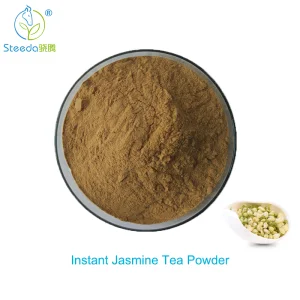
In the modern B2B food processing, cosmetic formulation, and nutraceutical industries, the demand for highly soluble, stable, and nutrient-dense raw materials has driven intense technological innovation. Among dehydration technologies, spray drying stands out as the industrial gold standard for turning liquid fruit concentrates, purees, and juices into fine, functional powders.
The mechanical foundation of spray drying involves three critical phases: atomization, droplet-air contact, and separation. The quality of the final product—its glass transition temperature (Tg), bulk density, and reconstitution index—hinges entirely on the manufacturer’s control of thermodynamic parameters, nozzle designs, and carrier matrices. Let's break down the primary engineering aspects:
To maintain organoleptic profiles (color, aroma, taste) and keep thermal degradation to a minimum, modern factories utilize high-velocity co-current flow spray dryers. In these systems, the feed liquid is atomized via a rotary disk or a two-fluid nozzle. Droplets meet a stream of heated air (typically 150°C to 200°C inlet temperature), evaporating water instantaneously in milliseconds. The extremely short residence time ensures that the core temperature of the fruit solid does not rise to the point of thermal destruction, preserving valuable enzymes, anthocyanins, and vitamins.
Enterprise-level procurement of spray dried fruit powders is no longer a simple transactional purchase. Procurement departments at multinational food and beverage enterprises, clinical supplement manufacturers, and premium cosmetic brands operate under strict risk-mitigation protocols. They seek manufacturers who provide:
Mandatory global certifications including EU Organic, USDA Organic, FDA registration, Halal, Kosher, and HACCP compliance are non-negotiable baselines for entering Western and Middle Eastern consumer markets.
The ability to formulate using specialized carriers (e.g., gum arabic, clean-label tapioca maltodextrin, or organic inulin) is critical to avoiding heavy carrier loading, maintaining clean-label claims, and preserving natural flavor profiles.
Strict structural control of particles is necessary to prevent caking, optimize flowability, and ensure rapid, sediment-free reconstitution when mixing into instant dry drinks, infant formula, or liquid protein shakes.
Understanding the core differences between dehydration techniques helps global R&D departments align formulation targets with budget limitations. While freeze drying (lyophilization) is revered for preserving structure, spray drying offers unmatched throughput and economical scale advantages.
| Parameter / Characteristic | Spray Drying (SD) | Freeze Drying (FD) | B2B Sourcing Recommendation |
|---|---|---|---|
| Processing Time | Milliseconds (Continuous feed) | 24 to 72 hours (Batch process) | SD for large-scale high-throughput production |
| Particle Morphology | Spherical, fine hollow particles | Porous, irregular flakes/crystals | SD offers better powder flowability in packaging |
| Reconstitution Speed | Very rapid (<10 seconds) | Instantaneous (highly porous) | Both suitable; SD is ideal for ready-to-drink mixes |
| Bioactive Retention | Moderate to High (Short heat exposure) | Maximum (No thermal exposure) | FD for delicate peptides; SD for stable vitamins & fibers |
| Relative Cost Index | Economical ($) | Premium ($$$) | SD offers optimal ROI for mass consumer products |
As global supply chains face unprecedented volatility, the consolidation of manufacturing hubs in China under the "Factory 4.0" initiative has redefined B2B procurement metrics. By integrating advanced industrial automation with end-to-end trace systems, Chinese factories ensure an uninterrupted flow of plant extracts and fruit powders.
The strategic advantages of sourcing from top-tier Chinese manufacturing complexes, such as those operated in key extraction clusters like Xi'an, go far beyond low labor costs. Modern Chinese factories feature:
Standing at the forefront of China's bio-extraction sector, Xi'an Herbpro Biotech Co., Ltd. is a leading manufacturer in the research, development, production, sale, and service of Cosmetic Ingredients, healthcare ingredients, fruits & vegetables powder, Food Additives, as well as Chinese medicine raw materials. The company's core ethos centers on producing premium, green products to support human health, building mutually beneficial and win-win partnerships as its principal development strategy.
Operating 2 state-of-the-art factories covering a total area of approximately 40,000 square meters, Xi'an Herbpro is strategically located in Shaanxi, China, enjoying seamless logistics connectivity. The entire production sequence strictly complies with state-defined GMP standards, ensuring the safety, efficacy, and stability of every product batch. Herbpro’s compliance portfolio includes the EU Organic certificate, USDA Organic certificate, Halal certificate, Kosher certificate, FDA Registration, HACCP, and ISO 9001 certification. Exporting to over 60 countries, they specialize in custom formulations, powders, gummies, and capsule encapsulation.
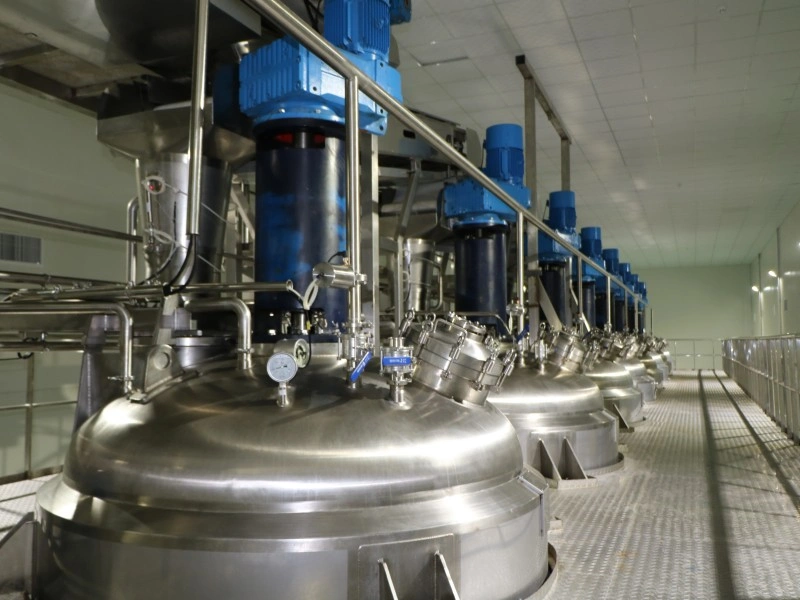
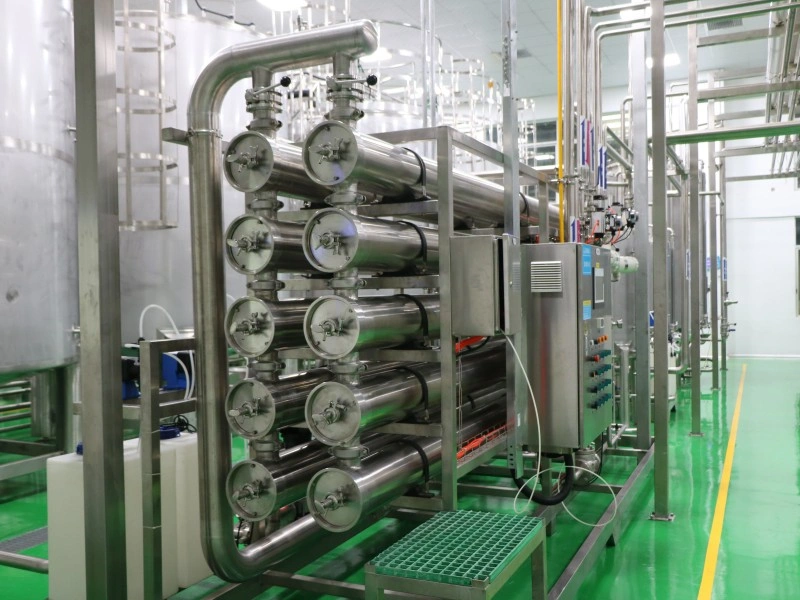
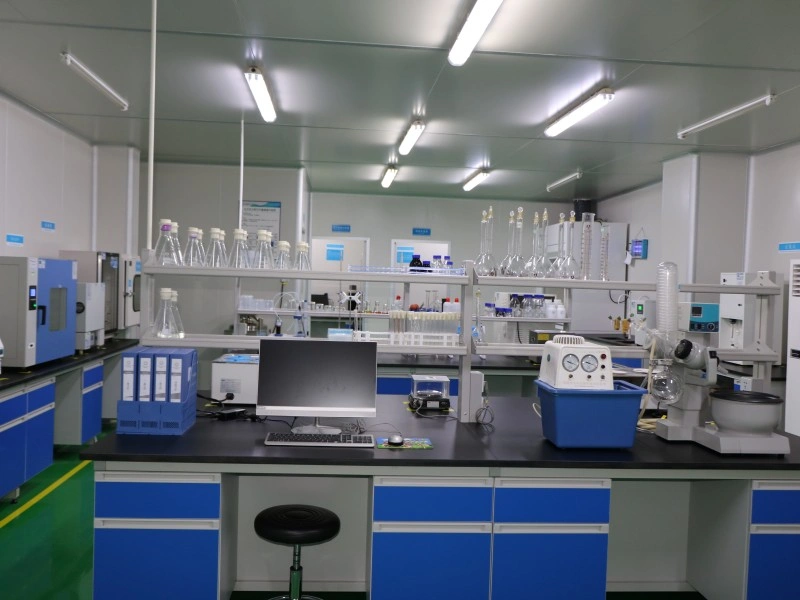
Based on market share, technological infrastructure, certificate portfolios, custom formulation versatility, and supply-chain reliability, here is an objective assessment of the leading spray dried fruit powder operations globally:
Highly revered for its dual-factory network, USDA/EU Organic status, and robust capsule/gummy custom compounding services. Their advanced spray drying units utilize controlled micro-atomization to yield powders with excellent water solubility and minimum carrier content.
A global giant in taste and nutrition ingredients. Kerry specializes in delivering complex taste profiles and highly functional fruit crystals for premium sports beverages and quick-service restaurant applications.
Renowned for natural colorants and high-potency fruit essences. ADM offers specialized spray-dried fruit systems designed specifically to withstand harsh thermal pasteurization processes in ready-to-drink formulations.
Focuses on the integration of natural sensory profiles and cosmetic-grade fruit raw materials. Symrise delivers specialized solutions for organic and clean-label cosmetic formulations, relying on strict ecological sourcing.
A major global supplier of fruit juice concentrates and natural powders. Dohler operates advanced multi-stage spray dryers designed to preserve sensitive color compounds in products like red beet, raspberry, and blueberry powders.
An authority on botanical extracts and fruit ingredients. Naturex stands out for its high-purity functional fruit powders tailored for dietary supplements, health foods, and clinical nutrition.
A recognized innovator in clean-label vegetable and fruit powders. Milne specializes in carrier-free fruit powders using innovative drying methods that rival the quality of freeze-dried alternatives.
Specializing in organic berry products. Berrifine is a key European supplier of high-purity spray-dried raspberry, strawberry, and bilberry powders for premium organic dairy and bakery applications.
An established global ingredient manufacturer supplying natural ingredients to the food, pharmaceutical, and cosmetic sectors. Their portfolio of spray dried fruit powders is known for excellent solubility and shelf-stability.
While a dominant player in freeze-drying, Van Drunen also runs extensive spray-drying plants, providing high-volume organic agricultural ingredients for breakfast cereals, infant foods, and snack applications.
Depending on your target sector, spray dried fruit powders must meet precise chemical and physical specs:
Core Need: Instant solubility without sediment. Sourcing managers should specify 100% water-soluble fruit powders with maltodextrin or gum arabic carriers to prevent clumping.
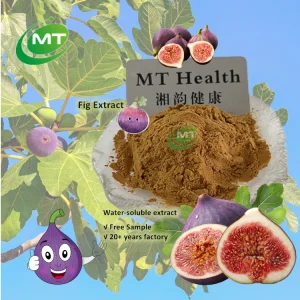
Core Need: Natural antioxidants and active molecules. Sourcing fig extracts or berry powders requires low microbial counts and compatibility with organic cosmetic solvents.
Core Need: High bulk density and consistent powder flowability. Often blended with herbal extracts like Cordyceps or Chaga mushrooms for enhanced active profiles.
 Herbpro Biotech