Premium active compounds quantified and validated for pharmaceutical, nutraceutical, and high-performance feed applications.
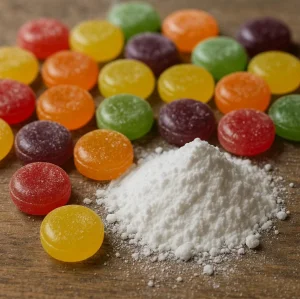
In the modern bio-pharmaceutical and functional nutrition ecosystem, the procurement of standardized herbal extracts forms the foundation of product efficacy, regulatory compliance, and consumer trust. Unlike simple ratio powders, standardized herbal extracts guarantee precise concentrations of specific marker compounds (such as polysaccharides, flavonoids, or glycosides), ensuring chemical batch-to-batch consistency.
Xi'an Herbpro Biotech CO,. Ltd. stands as a premier global manufacturer, steering the research, development, production, and distribution of high-caliber cosmetic raw materials, functional health ingredients, dehydrated fruit & vegetable powders, clean-label food additives, and traditional Chinese medicine botanical agents. Guided by a core strategy of building mutually beneficial, win-win global partnerships, we focus on delivering green, safe, and science-backed raw materials for human health.
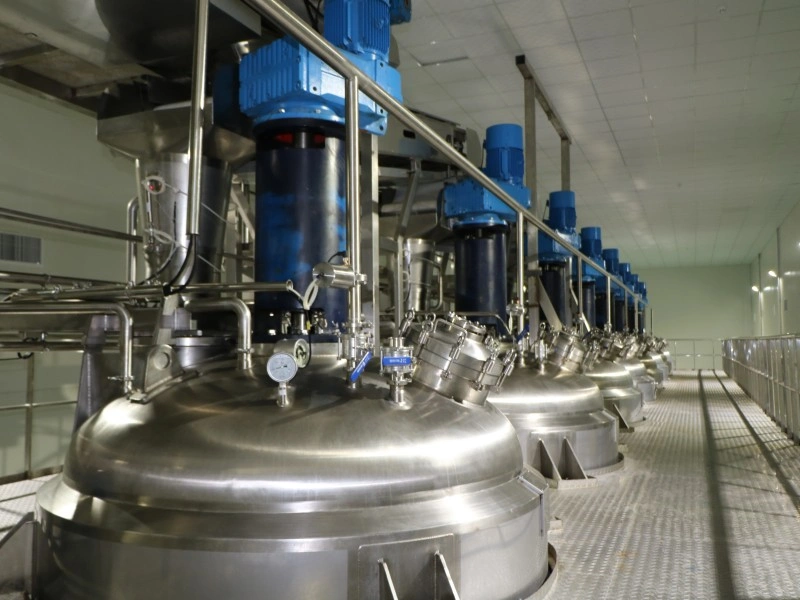
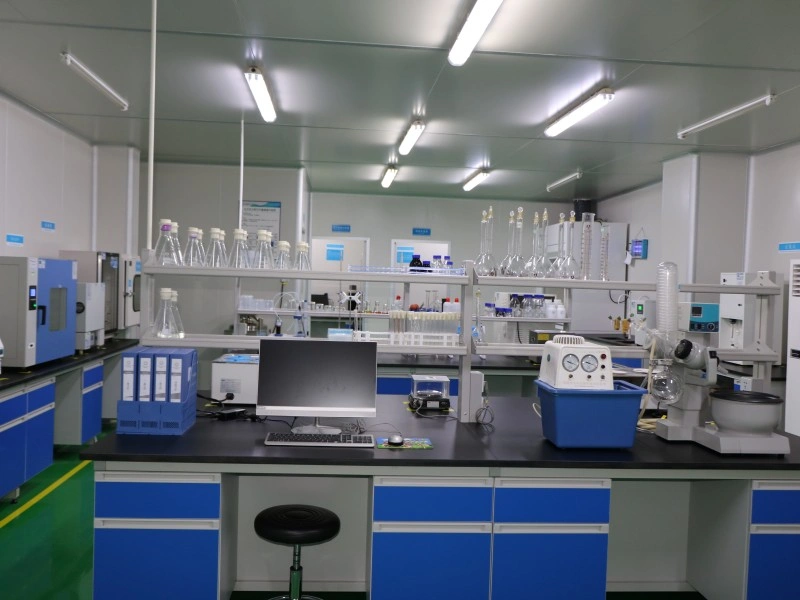
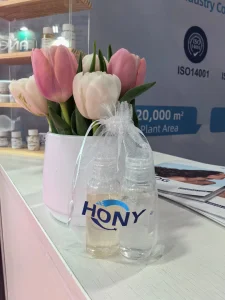
Operating out of Shaanxi province—the geographic heart of China's rich botanical heritage—our facilities cover an expansive 40,000 square meters across two state-of-the-art production hubs. Engineered strictly under national GMP requirements, our factories utilize optimized extraction, separation, purification, and drying technologies. We leverage advanced analytical instrumentation (including HPLC-DAD, LC-MS, GC, and ICP-MS) to guarantee safety, potency, and chemical stability across every shipped batch.
The global phytomedicine and botanical extract supply chain relies heavily on Chinese manufacturers. Shaanxi province, specifically the Qinling Mountain region, serves as a natural genetic repository for thousands of plant species. Sourcing standardized extracts from this hub offers distinct competitive advantages for international brands:
Herbpro Biotech manages local agricultural partnerships that guarantee clean supply chains free from adulteration. Proximity to wild harvesting and structured cultivation sites minimizes degradation during transport, locking in higher biological value.
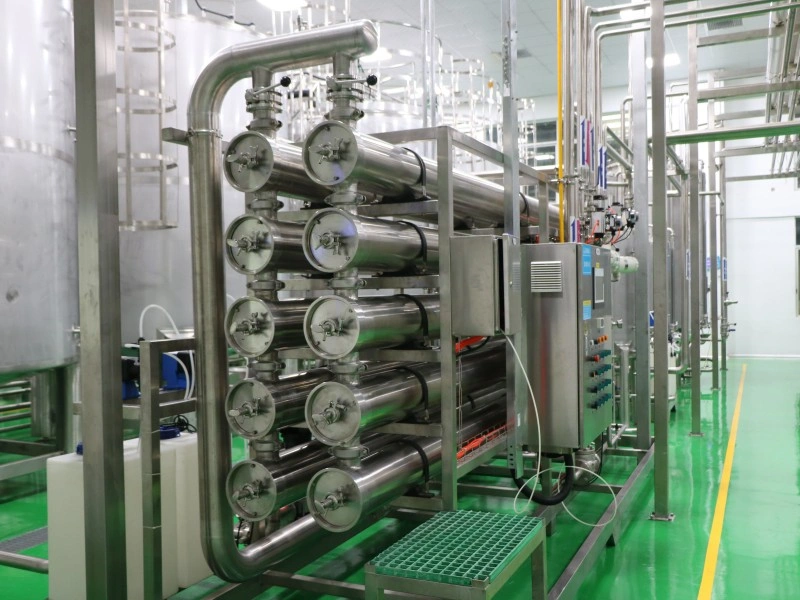
Our facilities employ supercritical CO2 extraction, subcritical water extraction, column chromatography, and membrane concentration. These technologies separate target bio-molecules without damaging sensitive active molecules.
We comply with international food safety standards, maintaining EU Organic, USDA Organic, Halal, Kosher, and HACCP certifications alongside ISO 9001 registration to ensure seamless border clearances.
Modern phytochemistry relies on advanced identification methods like High-Performance Liquid Chromatography (HPLC) and Gas Chromatography-Mass Spectrometry (GC-MS). Sourcing plants today requires validating exact chemical profiles and testing for residues.
1. Fingerprinting and Identity Validation: Herbpro Biotech uses chemical fingerprinting to verify species identity and prevent contamination. For example, testing *Astragalus membranaceus* extracts ensures the presence of genuine Cycloastragenol, while keeping out common adulterants.
2. Clean Label Processing and Green Solvents: Global regulations are limiting solvent residues (such as ethyl acetate, hexane, and methanol). Modern buyers favor extracts obtained using water, ethanol, or supercritical CO2, which reduce environmental impact and yield cleaner products.
3. Particle Engineering and Bio-availability: Raw powders often struggle with solubility and absorption. Through micro-milling, spray-drying, and encapsulation, we enhance the water-solubility of active compounds, helping brands create bio-available functional foods, gummies, and capsules.
Phytochemical ingredients have applications far beyond traditional apothecaries. Modern manufacturers utilize standardized extracts to create targeted solutions across four primary global industries:
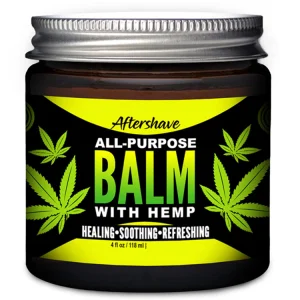
Anti-aging, skin-brightening, and soothing agents designed for clean cosmetics. Key ingredients include 4-Hexylresorcinol and Hydroxypropyl Guar.
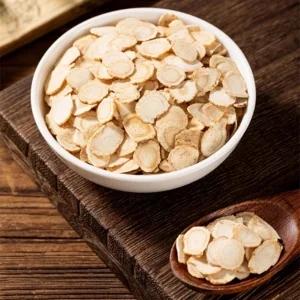
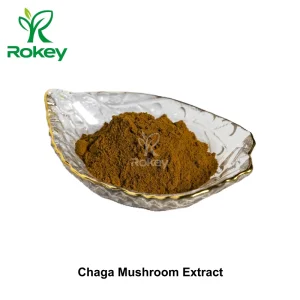
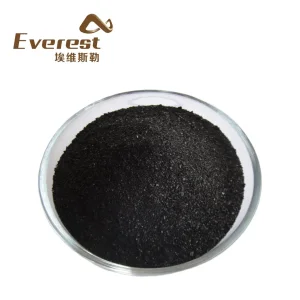
Bio-CosmeticsValidated active compounds targeting longevity, metabolic health, and immune defense, such as Cycloastragenol and Chaga Mushroom extract.
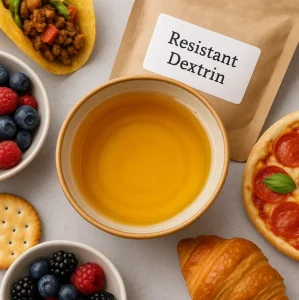
Dietary SupplementsPrebiotics and low-glycemic sweeteners like Stachyose and Resistant Maltodextrin, designed to stand up to thermal food processing.
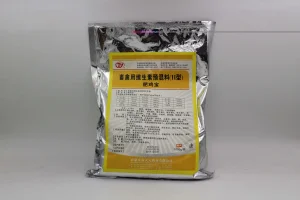
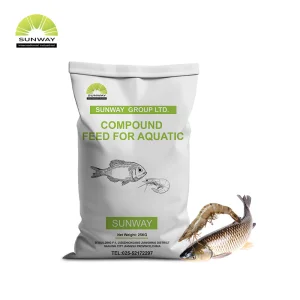
Prebiotic NutritionAntibacterial plant extracts and custom vitamin premixes designed to improve growth rates and reduce antibiotic use in livestock and aquaculture.
Animal HealthProcuring botanical raw materials at scale requires rigorous quality systems. Use this framework to audit suppliers and ensure global compliance:
Xi'an Herbpro Biotech provides complete transparency for every batch, offering Certificates of Analysis (COAs), allergen statements, GMO-free declarations, and heavy metal testing reports.
Answers to common questions about botanical extraction, manufacturing standards, and custom formulation services.
Premium biological active compounds, cosmetic ingredients, and health supplements from our GMP production lines.
 Herbpro Biotech