In global industrial manufacturing, standard botanical essential oils face a severe thermodynamic challenge: insolubility in aqueous solutions. Standard essential oils contain hydrophobic chemical compounds (terpenes, aldehydes, esters) that naturally phase-separate in water. To address this limitation for global brands in the beverage, cosmetic, and functional health sectors, modern OEM/ODM Water Soluble Essential Oils Factories rely on advanced molecular physical-chemical modifications to produce stable, transparent, or milk-like water-soluble oil preparations.
This structural change is accomplished via three primary scientific techniques: nano-emulsification, micro-encapsulation, and solid dispersion technology. These methodologies dramatically increase the active surface area of the lipid droplets, lowering the average droplet size to the sub-micron scale (frequently <100 nm). As a result, the final ingredients exhibit improved thermodynamic stability, excellent visual clarity in liquid systems, and significantly higher bioavailability in biological systems.
Utilizing high-shear homogenizers and ultrasonic cavitation, natural essential oils are broken down into droplets ranging from 20 to 200 nanometers. These nano-droplets remain suspended without coalescence, yielding completely transparent aqueous solutions ideal for clear beverages and skin toners.
By trapping hydrophobic essential oil molecules inside the hydrophobic cavity of ring-shaped oligosaccharides (such as Beta-cyclodextrin), we form a stable inclusion complex. This shields volatile compounds from oxidation while ensuring rapid dissolution in hot or cold water.
Utilizing food-grade, FDA-approved emulsifiers such as Polysorbate 20, Quillaja saponins, or lecithin. This mechanism creates micellar structures that shield oil molecules, allowing them to remain stable across wide temperature and pH variations.
A comparison of physical-chemical properties for water-dispersible essential oil delivery systems managed by our industrial B2B partners.
| Delivery System Type | Particle Size Range | Aqueous Appearance | Oxidative Stability | Key Surfactants/Carriers | Primary B2B Application |
|---|---|---|---|---|---|
| Macro-emulsions | 1 to 100 μm | Milky, Opaque | Moderate | Gum Arabic, Modified Starch | Pet supplements, standard animal feeds |
| Nano-emulsions | 20 to 200 nm | Transparent to Translucent | High | Lecithin, Polysorbate 20, Quillaja Extract | Functional beverages, transparent cosmetics |
| Liposomes | 50 to 300 nm | Slightly Hazy | Very High | Phosphatidylcholine, Phytosterols | Nutraceuticals, advanced anti-aging serums |
| Cyclodextrin Complexes | Molecular Level | Completely Clear | Excellent (Longest Shelf Life) | Beta-Cyclodextrin, Alpha-Cyclodextrin | Instant powder mixes, pharmaceutical tablets |
How localized industrial sectors leverage custom water-soluble essential oil preparations to align with regional consumer behaviors and regulatory environments.
How manufacturing techniques are evolving to meet the clean-label, high-efficacy requirements of modern industries.
Choosing a China-based OEM/ODM partner offers significant advantages in raw material security, manufacturing capacity, and cost efficiency. The Shaanxi botanical corridor provides direct access to high-purity natural raw materials, minimizing raw material transport distances and ensuring excellent batch consistency.
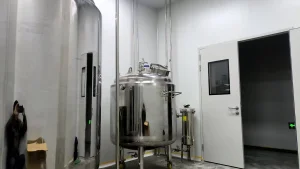
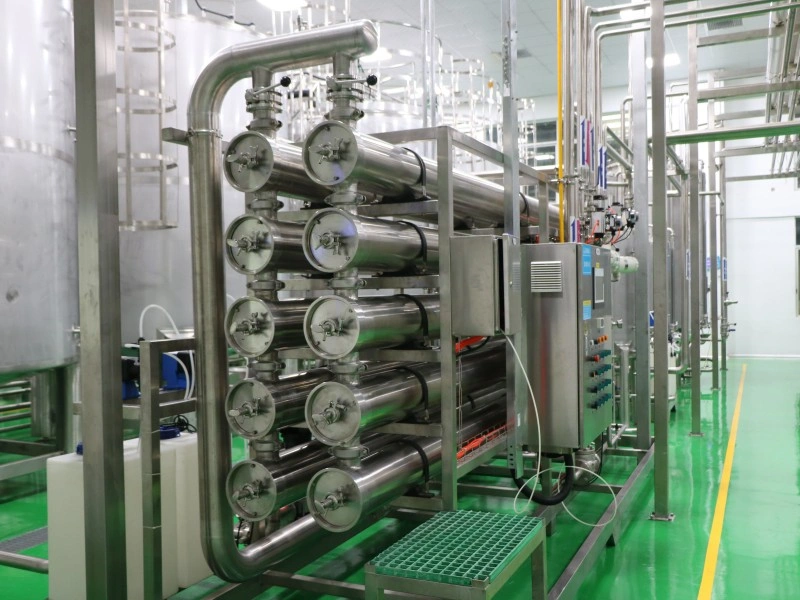
Our advanced manufacturing plants integrate raw material sourcing, supercritical extraction, clean-label emulsification, and rapid packaging within a single continuous process. This vertical integration reduces production lead times to 7–14 days, compared to the industry standard of 30 days. Additionally, localized bulk shipping networks ensure efficient maritime, rail, and air logistics to North America, Europe, and Asia-Pacific markets.

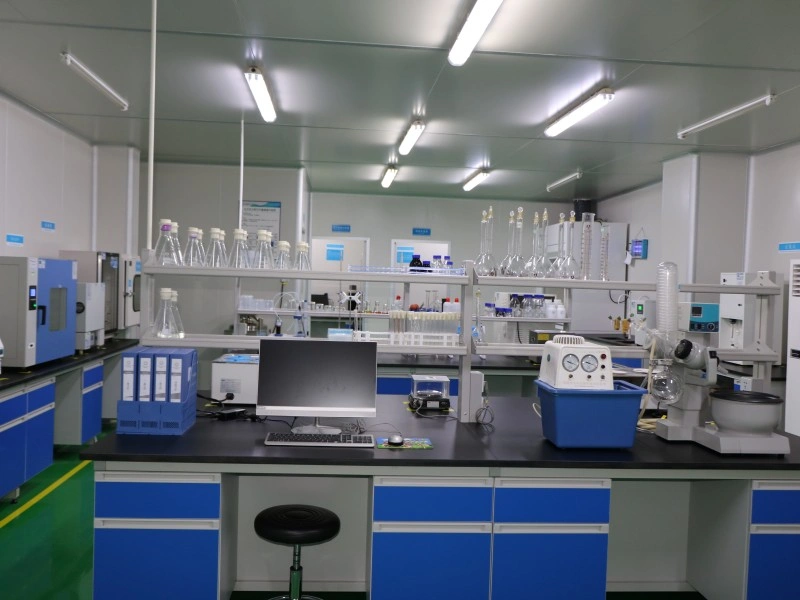
We align our manufacturing processes with international regulatory frameworks, ensuring hassle-free imports and compliance with target market standards.
Certified organic supply chains for sustainable and eco-conscious botanical formulations.
Full compliance with United States FDA registration standards and cGMP audits.
Fully certified raw materials meeting regional religious and cultural dietary requirements.
International food safety and quality management systems for batch-to-batch consistency.
 Herbpro Biotech