In the current era of consumer health evolution, the global market for functional green superfoods has witnessed exponential growth. Central to this paradigm shift is the high demand for organic wheatgrass powder (Triticum aestivum). As global buyers look to secure long-term, high-capacity, and certified sustainable suppliers, China has emerged as the premier manufacturing and processing hub for raw botanical powders.
This white paper addresses the core mechanics of wheatgrass powder sourcing. It analyzes soil conditions, processing methodologies, and state-of-the-art technological infrastructures that define premier Chinese botanical suppliers. Leading manufacturers, such as Xi'an Herbpro Biotech Co., Ltd., bridge the gap between scale, quality assurance, and international compliance. They provide high-purity ingredients to the global nutraceutical, cosmetic, and food and beverage sectors.
The nutritional density of organic wheatgrass powder is determined long before the manufacturing stage. Optimal cultivation depends on three primary factors: soil composition, regional climate, and harvest timing.
Premium Chinese wheatgrass is grown in agricultural zones characterized by sandy loam soil, high organic matter content, and neutral pH. The northern agricultural highlands of China, particularly in Shaanxi province, benefit from clear seasonal variations and high solar radiation. These geographical conditions optimize photosynthetic pathways, encouraging the accumulation of active compounds, including:
Acts as a natural chelating agent, promoting internal oxygenation and supporting cellular purification processes.
A primary enzymatic antioxidant system that neutralizes superoxide free radicals at a cellular level.
Contains all essential amino acids in bioavailable proportions, acting as structural precursors for tissue regeneration.
To secure maximum nutrient integrity, premium factories harvest the young wheat shoots exclusively at the jointing stage (typically when the grass reaches 15–20 cm in height). At this stage, the plant's nutrient concentration peaks. If harvested later, the nutritional resources are redirected to produce the grain head, which decreases the active botanical value of the grass.
Converting freshly harvested wheatgrass into a stable, highly soluble powder requires advanced thermal and mechanical engineering. High-performance factories employ sophisticated dehydration and milling systems to preserve heat-sensitive enzymes and prevent oxidation:
1. Low-Temperature Dehydration: Standard hot-air drying can degrade volatile organic components. Leading factories implement either rapid low-temperature air drying or advanced freeze-drying (FD) technology. Under high vacuum, ice is sublimated directly to gas, retaining the natural organoleptic qualities, emerald-green color, and enzymatic activity of the fresh plant.
2. Jet Milling and Cell-Wall Disruption: Raw wheatgrass contains highly fibrous cellulose walls that can limit human digestion and bioavailability. Utilizing high-pressure jet mills, factories break down the plant's cell walls to reduce the particle size to 200–500 mesh. This ultra-fine powder allows for quick dispersion in liquids and enhances cellular absorption of the active phytonutrients.
3. Standardized Sterilization: To comply with stringent microbiological limits in the EU and North America, raw powders undergo rapid steam sterilization. This process eliminates microbial contaminants while preserving the raw product's nutritional integrity.
Xi'an Herbpro Biotech Co., Ltd. is a leading manufacturer in the research, development, production, sale, and service of high-purity cosmetic ingredients, healthcare raw materials, fruit & vegetable powders, food additives, and traditional botanical extracts. The company is committed to producing high-quality, green ingredients that support human health through mutually beneficial, long-term partnerships.
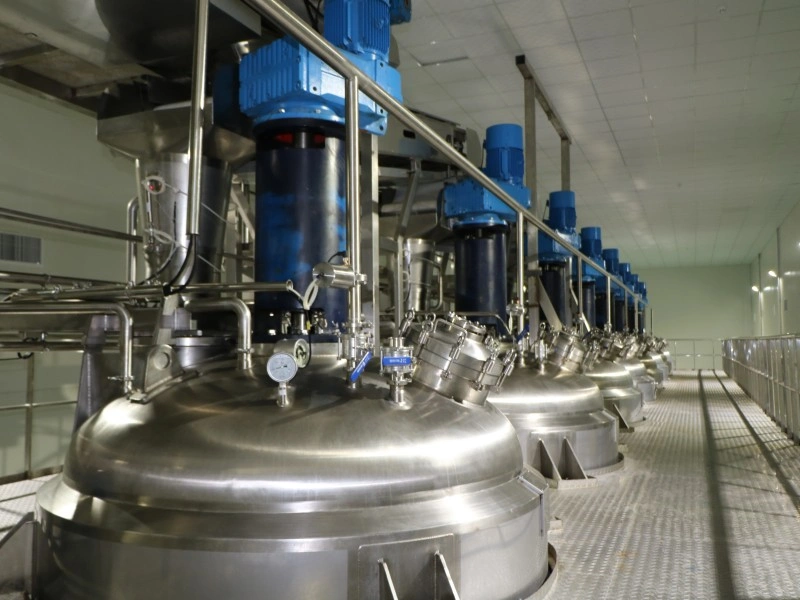
The enterprise operates two modern production facilities spanning a total of 40,000 square meters. Strategically located in Xi'an, Shaanxi province, these sites benefit from convenient transit routes and regional logistical networks. To ensure raw material safety and batch consistency, all production lines run in strict compliance with state GMP standards.
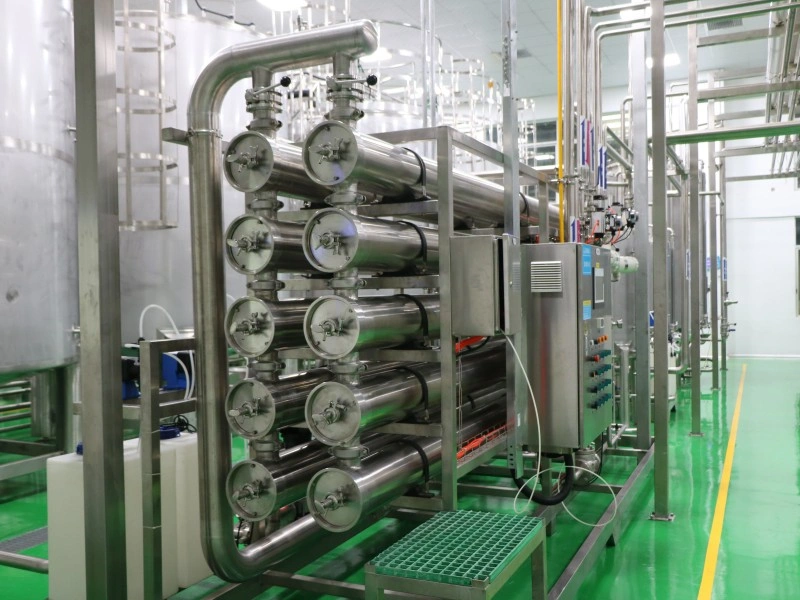
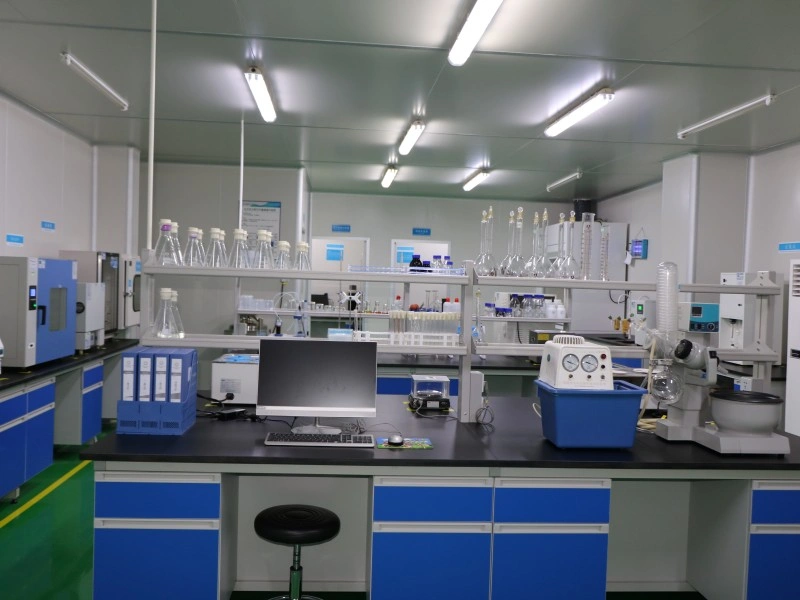
Herbpro Biotech has built a global distribution network, exporting premium ingredients to over 60 countries and regions. To support diverse market requirements, the company offers full-service **OEM and ODM customization**, including tailored powder formulations, custom capsule filling, and functional gummy manufacturing.
Securing international market access requires compliance with national and regional regulatory standards. Xi'an Herbpro Biotech Co., Ltd. maintains a robust quality management framework backed by leading global certifications:
Verified under USDA Organic (United States) and EU Organic (Europe) standards to guarantee zero synthetic pesticide residues or chemical fertilizer contamination.
Certified in compliance with ISO 9001 (Quality Management System) and HACCP (Hazard Analysis Critical Control Point) parameters for manufacturing safety.
FDA Registration, along with Kosher and Halal compliance certificates, facilitating smooth customs clearance and entry into diverse global food sectors.
To ensure strict quality control, each production batch undergoes comprehensive laboratory analysis, including:
Beyond individual applications, wheatgrass powder and botanical extracts serve as foundational raw materials across diverse global industries. Modern manufacturers integrate these powders into broader commercial solutions:
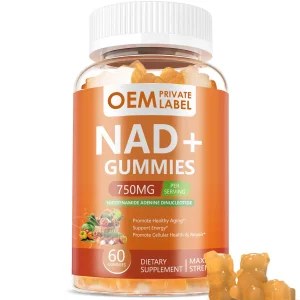
Premium botanical formulations often pair organic green powders with cellular energy precursors like Beta-Nicotinamide Mononucleotide (NMN 99% Purity) or zinc-enriched NAD boosters. Combining antioxidant-rich wheatgrass with these ingredients creates synergistic effects that support cellular protection and longevity, driving growth in the anti-aging wellness market.
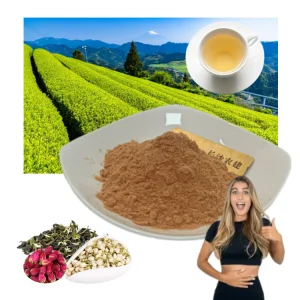
Food processors use wheatgrass powder as a clean-label, plant-based colorant and nutrient fortifier. It integrates smoothly with products like Instant Jasmine Flower Green Tea Powder and clean sweeteners like Sweet Tea Extract (70%–85% Rubusoside), helping brands meet the growing consumer demand for reduced sugar and natural ingredients.
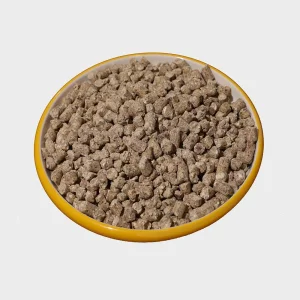
The pet food industry increasingly incorporates functional plant ingredients to support animal wellness. Wheatgrass fiber and key nutrients are used alongside clean carbohydrate bases like Sweet Potato Pellets to produce premium pet foods. Additionally, specialized compound premixes support vitality and nutritional health in commercial livestock applications.
The botanical ingredients industry is evolving to prioritize increased solubility, stability, and bioavailability. For global procurement managers, building a resilient sourcing model involves addressing key technical and logistical parameters:
 Herbpro Biotech