Basic Information
Type
Synthesis Material Intermediates
Classification
High Purity Material
Habit Appellation
Fine Chemicals
Property
Protein and Peptide
Specific Usage
Research Use Only
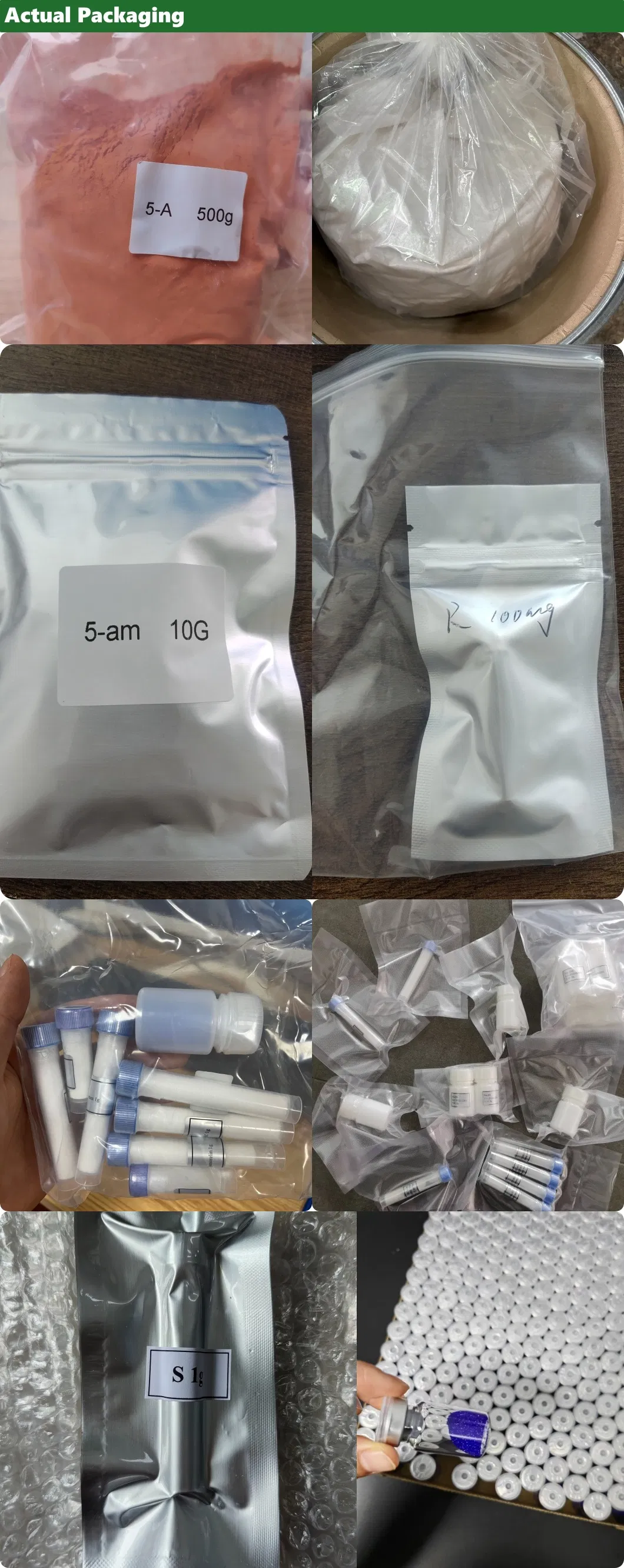
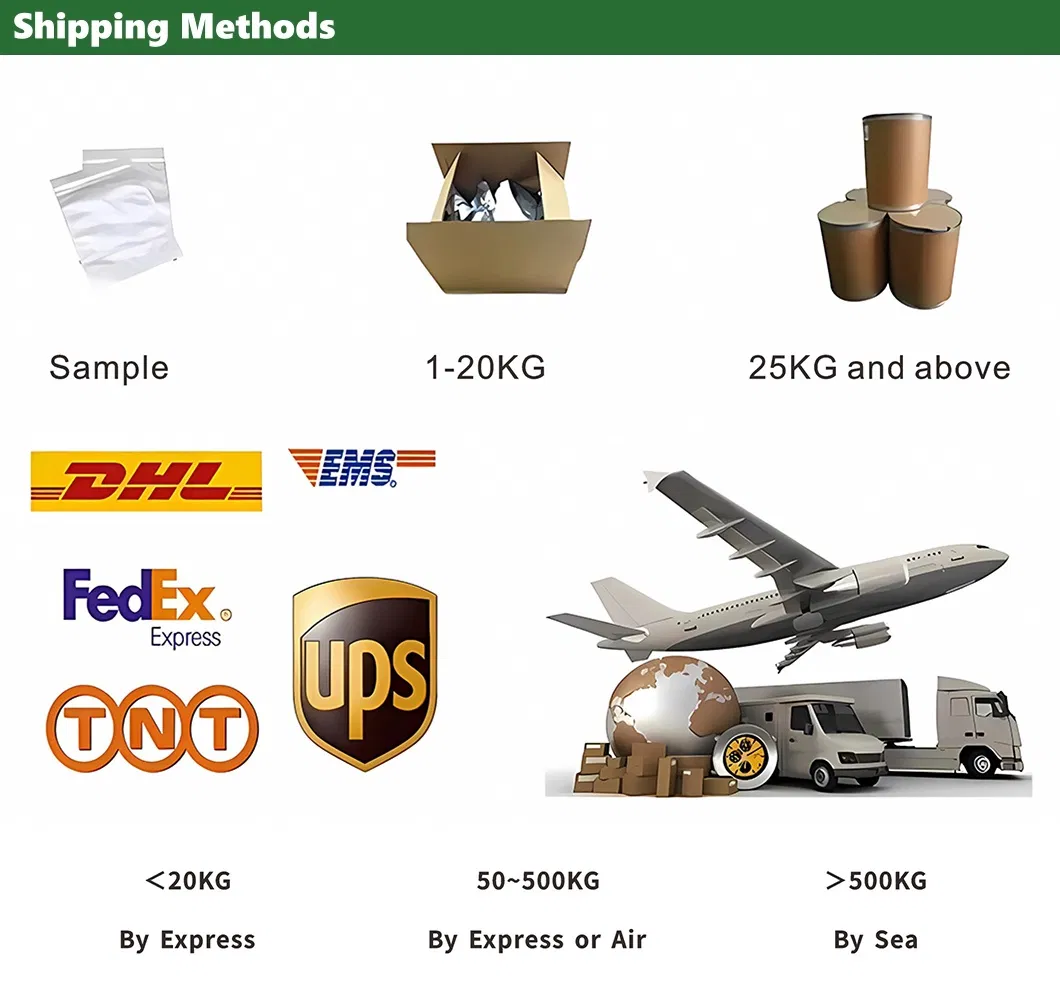
Transport Package
Customized
Specification
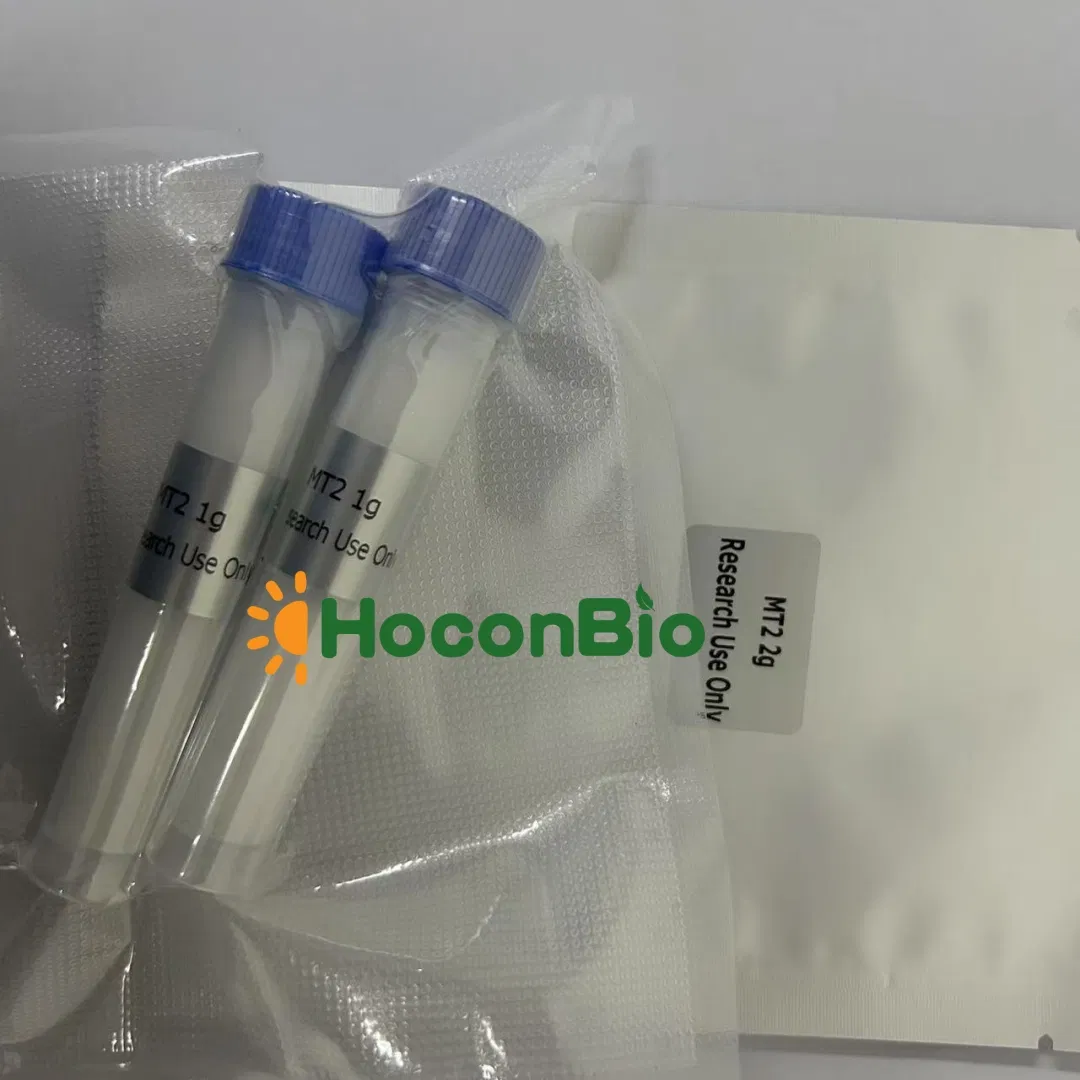
1KG/FOIL BAG
Production Capacity
50kg Per Month
Product Definition & Source
Plant extracts refer to substances with biological activity or specific components obtained from plants (including the whole plant, roots, stems, leaves, flowers, fruits, seeds, etc.) through physical or chemical extraction and separation processes. They are concentrated forms of the essence of plants, preserving their inherent characteristics and efficacy.
Specifications
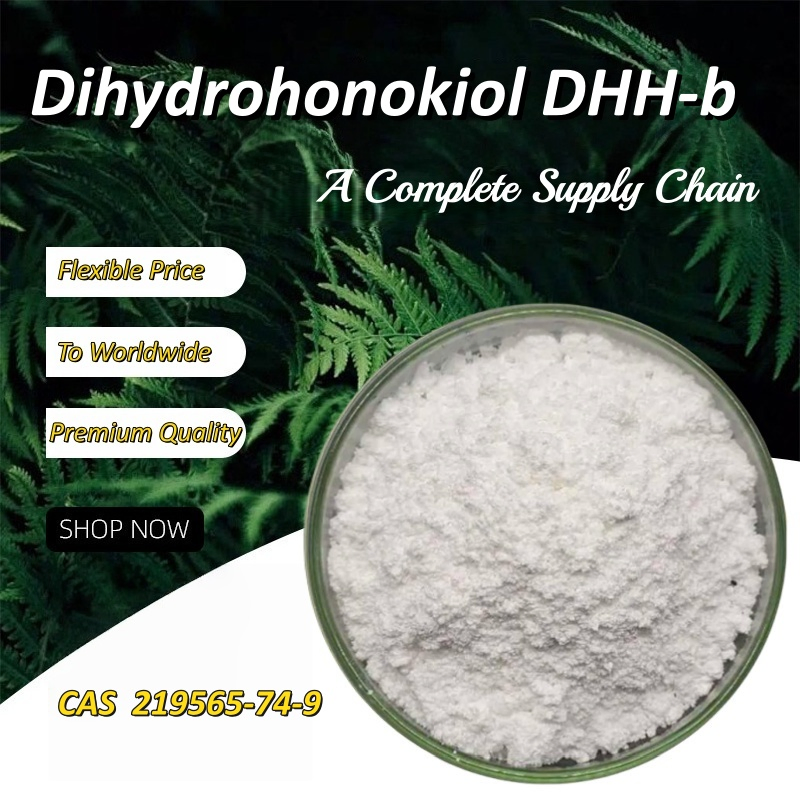
| Product Name | Dihydrohonokiol DHH-b |
| CAS NO. | 219565-74-9 |
| Other name | Health Care Raw Material |
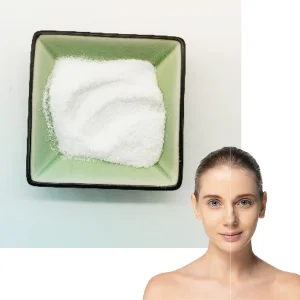
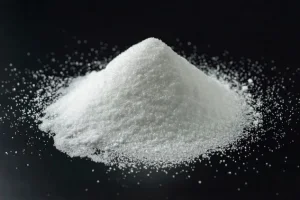
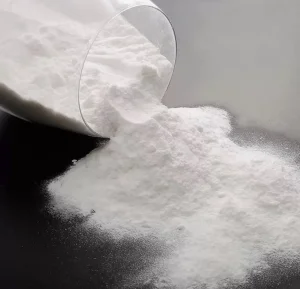
| Appearance | White powder |
| Purity | 98% HPLC |
| Application | Health Care |
| Shelf Life | 24 Months |
| Storage | Store at a temperature of 2-8 degrees, protected from light. |
Key Effects and Components
The effects of plant extracts are diverse and depend on the source plant and its active constituents. Common active ingredients include alkaloids, flavonoids, polysaccharides, saponins, volatile oils, and polyphenols. These components endow plant extracts with various physiological functions such as antioxidant, anti-inflammatory, antimicrobial, immune-boosting, lipid-regulating, and skincare benefits.
Application Fields
- Pharmaceuticals and Health Products: Used as natural or dietary supplements for disease prevention and adjuvant therapy. Examples include Ginkgo Biloba extract for cardiovascular health and Echinacea extract for immune support.
- Cosmetics and Skincare Products: Used as natural functional additives for whitening, moisturizing, anti-aging, and soothing the skin. Examples include Aloe Vera extract, Green Tea extract, and Licorice Root extract.
- Food and Beverages: Used as natural colorants, flavors, preservatives, or nutritional fortifiers. Examples include Paprika extract for color, Peppermint oil for flavor, and Green Tea extract.
- Agriculture: Used in the production of biopesticides for pest and disease control.
Product Characteristics
Compared to synthetic chemicals, plant extracts are generally considered to have advantages such as natural sourcing, fewer side effects, milder actions, and better bioavailability. They align with the modern consumer trend towards "green, healthy, and natural" products.
Frequently Asked Questions (FAQ)
1. What is the purity level of Dihydrohonokiol DHH-b?
Our Dihydrohonokiol DHH-b features a high purity level of 98% as verified by HPLC testing.
2. How should this product be stored to ensure stability?
The material should be stored at a controlled temperature between 2-8 degrees Celsius and must be protected from direct light exposure.
3. What is the typical shelf life for DHH-b powder?
When stored under the recommended conditions, the product has a shelf life of 24 months.
4. What are the primary applications of Dihydrohonokiol?
It is primarily used as a health care raw material, specifically as a synthesis material intermediate for research and dietary supplements.
5. Is the product naturally sourced?
Yes, it is classified as a plant extract material, offering better bioavailability and fewer side effects compared to many synthetic alternatives.
6. What is the standard packaging for transport?
The standard specification is 1KG per foil bag, though transport packaging can be customized based on specific requirements.
 Herbpro Biotech