Herbpro Biotech




1 / 5
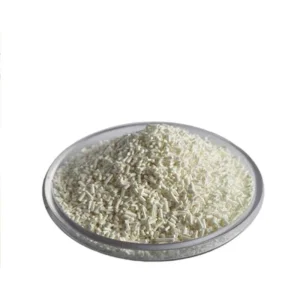
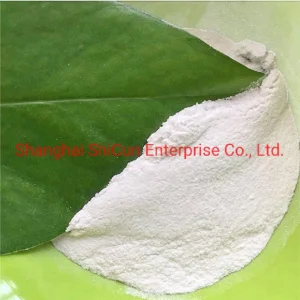
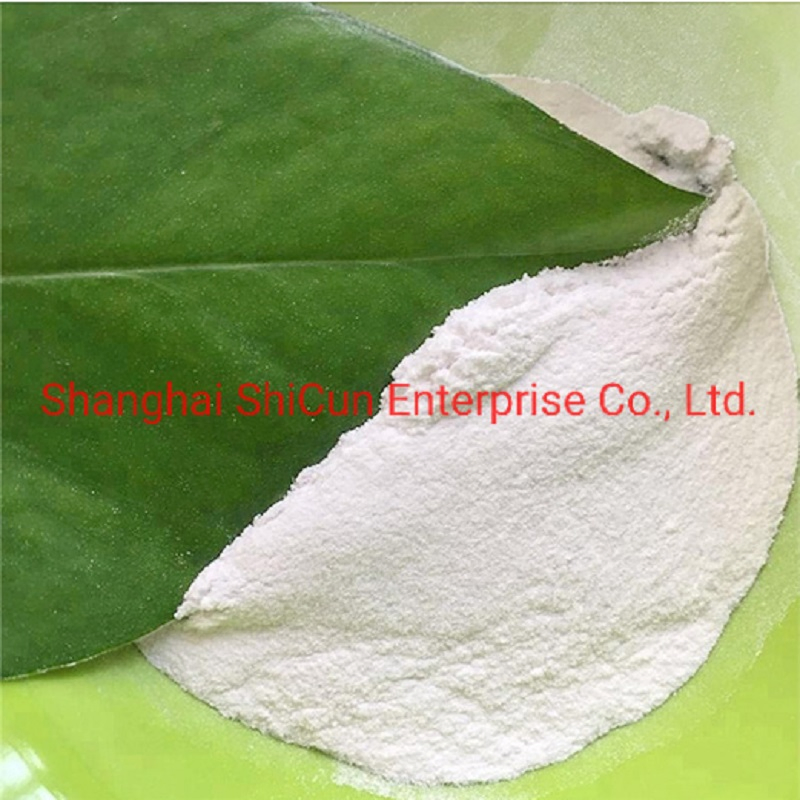
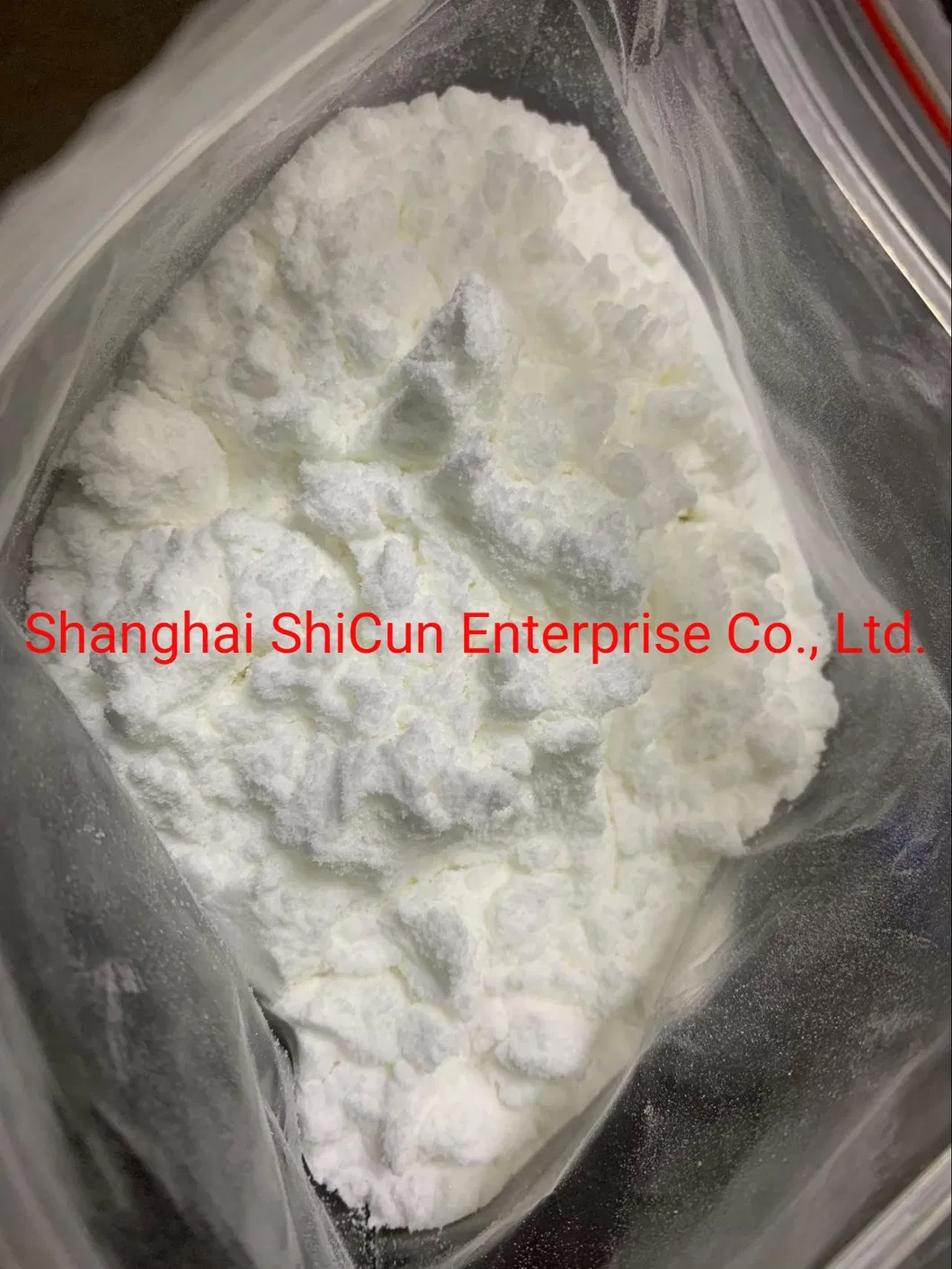
Potassium sorbate, also known as potassium 2,4-hexadienoate, is a potassium salt of sorbic acid with the molecular formula C6H7O2K. It appears as white to light yellow scaly crystals, crystal particles, or crystal powder. It is odorless or slightly odorous and easily absorbs moisture, being subject to discoloration by oxidation and decomposition upon long-term exposure to air. Soluble in water, propylene glycol, and ethanol, it is a highly effective preservative that destroys enzyme systems by combining with sulfhydryl groups in microbes. Its toxicity is significantly lower than other preservatives, making it widely used in acidic media for optimal antiseptic effects.
Recognized as a legal feed additive in both the USA and EU, potassium sorbate inhibits mold growth and prevents aflatoxin formation. It maintains its effectiveness within the animal intestine without affecting the taste of the feed, which is crucial as animals are sensitive to flavor changes. As an unsaturated fatty acid, it is easily digested without adverse effects.
Potassium sorbate is integrated into active packaging to extend shelf life and maintain nutritional safety. Following standard regulations like GB 9685-2008, it is used in plastic production, rubber (0.1%), and paper-based packaging materials. Its application methods include direct addition, impregnation, or spraying.
Since its approval, it has been used in concentrations ranging from 0.02% to 0.1% for flour products, pickles, canned goods, and dairy. It is particularly effective in low-alcohol wines and meat products, where it inhibits Clostridium botulinum toxin.


It acts as a powerful preservative and antiseptic, inhibiting the growth of mold, yeast, and many microorganisms in food, feed, and cosmetic products.
Yes, it is considered the least toxic food preservative available. It is an unsaturated fatty acid that can be metabolized by the body like other fatty acids.
It should be kept in a cool, dry place. Because it is hygroscopic and can discolor through oxidation, it must be protected from long-term air exposure.
Yes, Potassium Sorbate is most effective in acidic media (pH below 5-6). It has limited antiseptic effects under neutral conditions.
Absolutely. It is a legal additive in the US and EU for animal feed, helping to prevent spoilage and the formation of dangerous toxins like aflatoxin.
It is widely used in the food and beverage industry, animal feed, cosmetics, tobacco, pharmaceuticals, and even in rubber and resin production.