Basic Information
Nutritional Value
Nutritional
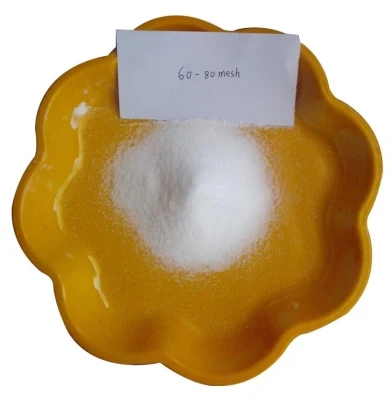
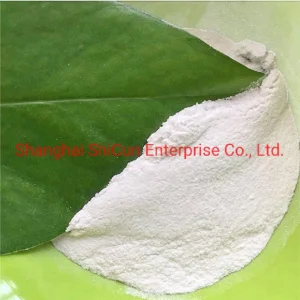
Appearance
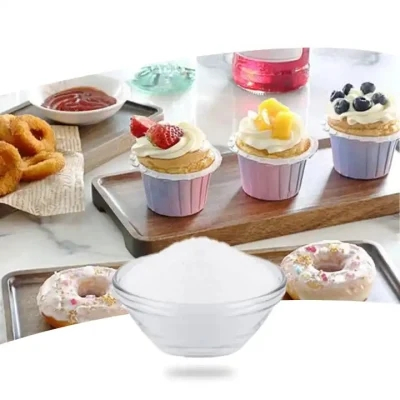
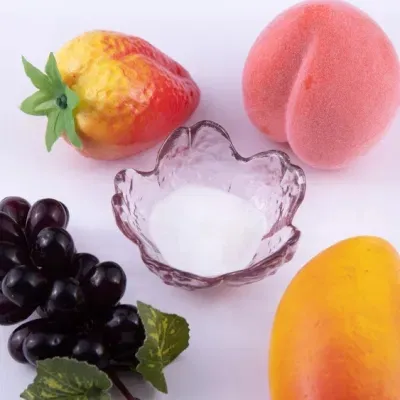
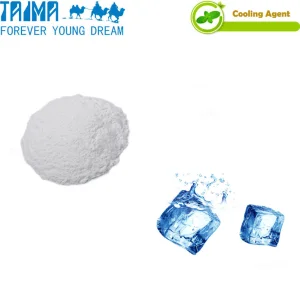
White Crystalline Powder
Usage
Sweetener, Wetting Agent
Application
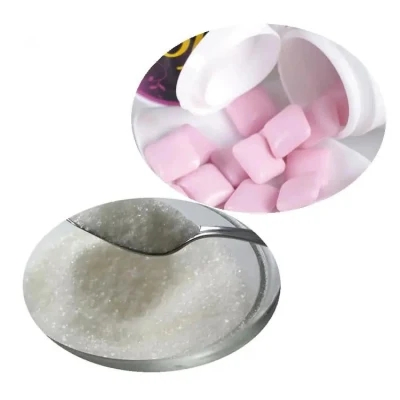
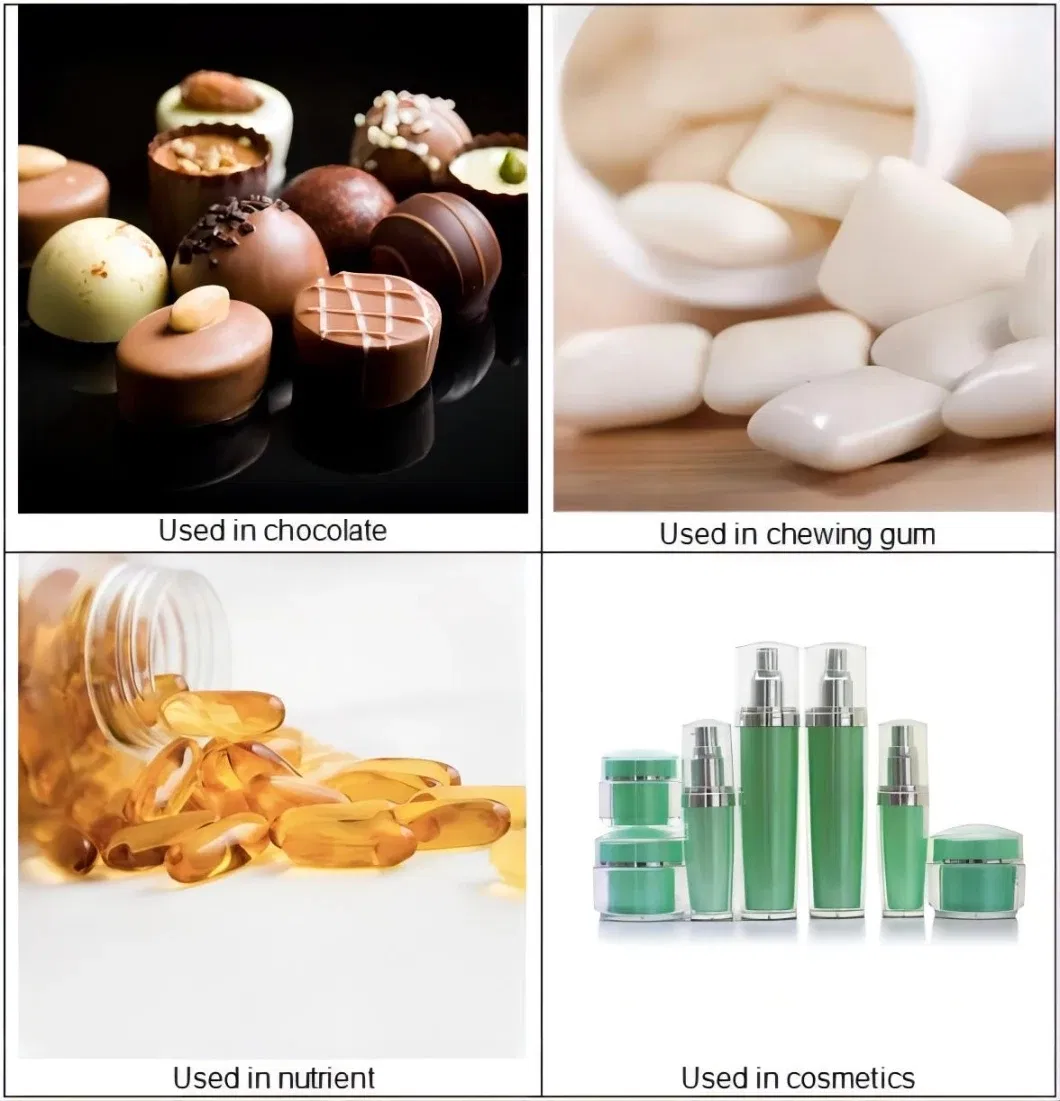
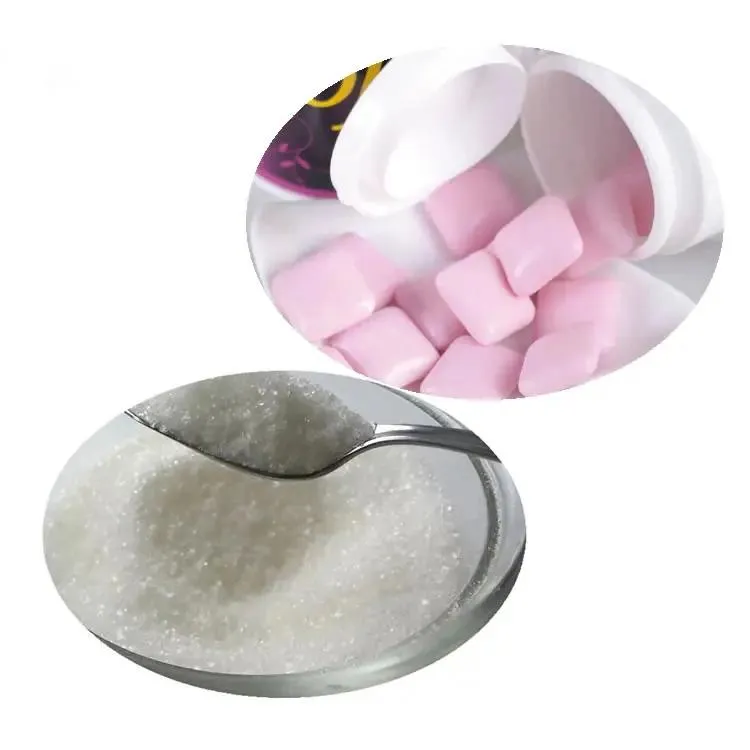
Chewing Gum Bases, Sweeteners
Transport Package
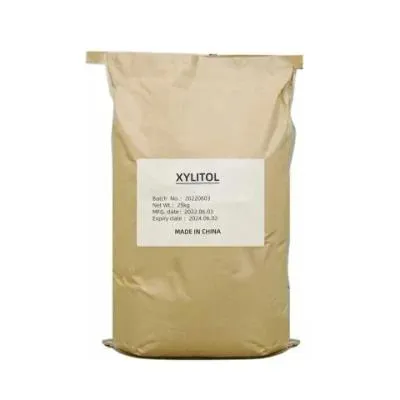
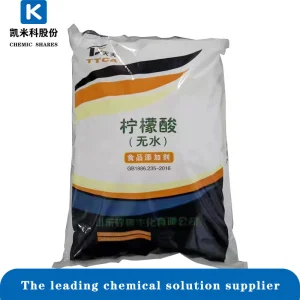
25kg/Bags
Capacity
5000 Kgs Per Month
Product Description
CAS 87-99-0 Wholesale Organic Food Grade Sweetener Xylitol
Xylitol is a kind of sugar alcohol compound with the formula C5H12O5. It is a colorless or white crystalline solid that is soluble in water. Xylitol naturally exists in small amounts in various fruit, vegetables, and cereal grains. As a sweetener, it provides the same sweetness as sucrose but contains only 2.4 calories per gram—40% fewer than regular sugar.
Production Specification Data Sheet
| Items | Specification |
|---|
| Appearance | White crystals |
| Assay (dry basis) | 98.5% - 101.0% |
| Other polyols | ≤1.5% |
| Loss on drying | ≤0.2% |
| Residue on ignition | ≤0.02% |
| Reducing sugar | ≤0.2% |
| Heavy metals | ≤2.5ppm |
| Arsenic | ≤0.5ppm |
| Melting point | 92-96 degree |
| PH in aqueous solution | 5.0-7.0 |
| Total plate count | ≤50cfu/g |
Uses and Benefits of Xylitol
- Dental Health: Reduces growth of bacteria that cause tooth decay and gum disease.
- Diabetes Management: Low glycemic index sweetener suitable for blood sugar management.
- Weight Management: Fewer calories than regular sugar for calorie-controlled diets.
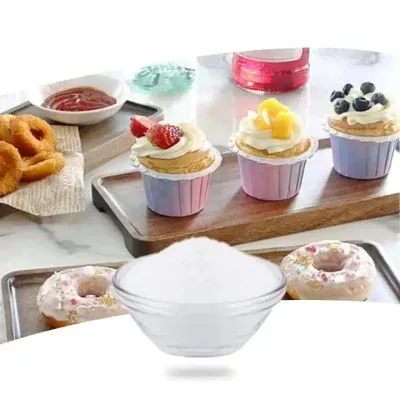
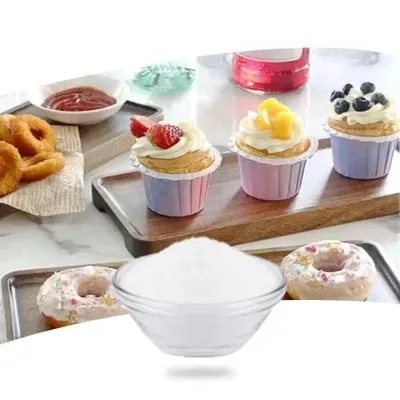
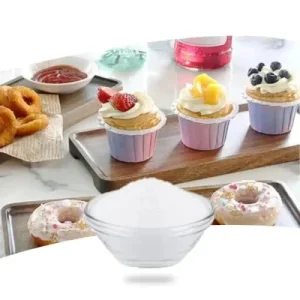
- Baking: Effective sugar substitute in various culinary applications.
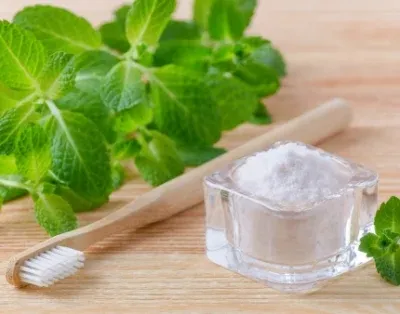
- Versatile Applications: Used in cosmetics (lotions, cleansers) and oral care (toothpaste).
Loading Quantity:
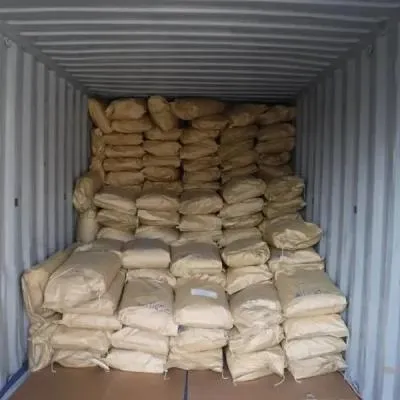
• 20FT can load 20MT without pallet
• 20FT can load 18MT with pallet
Frequently Asked Questions
1. What is Xylitol and where does it come from?
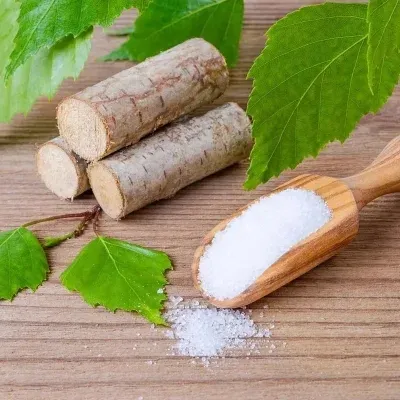
Xylitol is a natural sugar alcohol found in fruits, vegetables, and cereal grains. It is commercially produced as a white crystalline powder and used as a healthy sugar substitute.
2. Is Xylitol safe for diabetics?
Yes, Xylitol has a very low glycemic index, meaning it has a minimal impact on blood sugar and insulin levels, making it an excellent alternative for people with diabetes.
3. How many calories are in Xylitol compared to regular sugar?
Xylitol contains approximately 2.4 calories per gram, which is 40% fewer calories than regular table sugar (sucrose), which contains 4 calories per gram.
4. Can Xylitol be used in baking?
Yes, it can be used in baking as a 1:1 sugar replacement in most recipes. However, since it doesn't ferment with yeast, it is not suitable for breads that require sugar for rising.
5. Why is Xylitol used in toothpaste and chewing gum?
Xylitol is non-fermentable by oral bacteria, which means it helps prevent tooth decay, reduces plaque formation, and supports overall dental health.
6. What is the standard packaging and loading capacity?
Our standard packaging is 25kg per bag. A 20FT container can load up to 20MT without pallets or 18MT with pallets.
 Herbpro Biotech