Glabridin is a prenylated isoflavonoid predominantly isolated from Glycyrrhiza glabra (licorice) roots. Its primary mechanism in skincare is the potent and specific inhibition of the enzyme tyrosinase, which is critical in the melanin synthesis pathway. This action effectively suppresses melanogenesis, making it a gold-standard natural skin-lightening agent. Beyond depigmentation, glabridin exhibits significant anti-inflammatory and superior antioxidant activities, protecting skin cells from oxidative stress induced by UV radiation. It is extensively utilized in cosmeceuticals for treating hyperpigmentation, photoaging, and for enhancing skin brightness.
| Technical Specifications |
| Product Name | Glabridin |
| CAS NO. | 59870-68-7 |
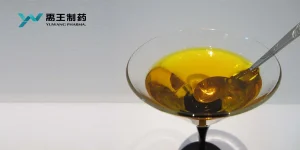
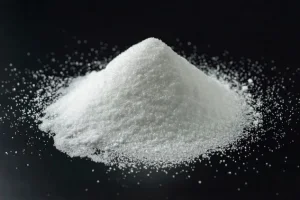
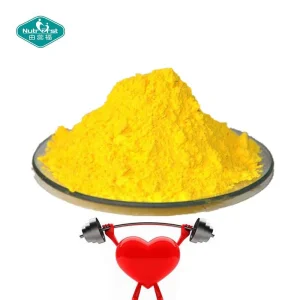
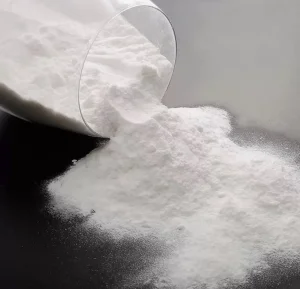
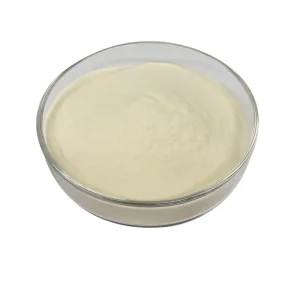
| Appearance | Pls inquire product characters |
| Purity | 99% HPLC |
| Application | Nutrition Supplement |
| Shelf Life | 24 Months |
| Storage | Store at a temperature of 2-8 degrees, protected from light. |
?
Frequently Asked Questions
What is the primary function of Glabridin in skincare?
Glabridin acts as a potent tyrosinase inhibitor, which effectively suppresses melanin production, making it a highly efficient natural agent for skin whitening and reducing hyperpigmentation.
Is this product derived from natural sources?
Yes, Glabridin is an isoflavonoid that is predominantly isolated from the roots of Glycyrrhiza glabra, commonly known as licorice.
What is the purity level of your Glabridin powder?
Our refined Glabridin powder reaches a purity level of 99% as tested by HPLC, ensuring high efficacy for formulation requirements.
How should the Glabridin powder be stored?
It should be stored at a temperature between 2-8 degrees Celsius and must be protected from direct light to maintain its stability and activity.
What are the recommended applications?
It is primarily used as a nutrition supplement and a key ingredient in high-end cosmeceuticals for treating photoaging, hyperpigmentation, and enhancing overall skin brightness.
What is the production capacity for this material?
We have a stable production capacity of 5000kg per month to meet both small-scale research and large-scale industrial needs.
 Herbpro Biotech