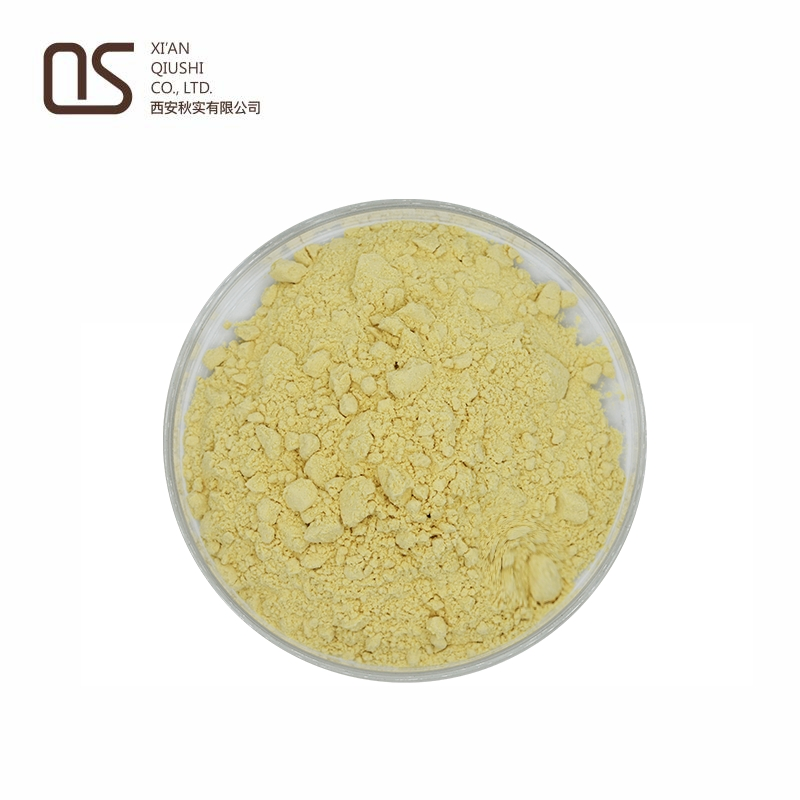
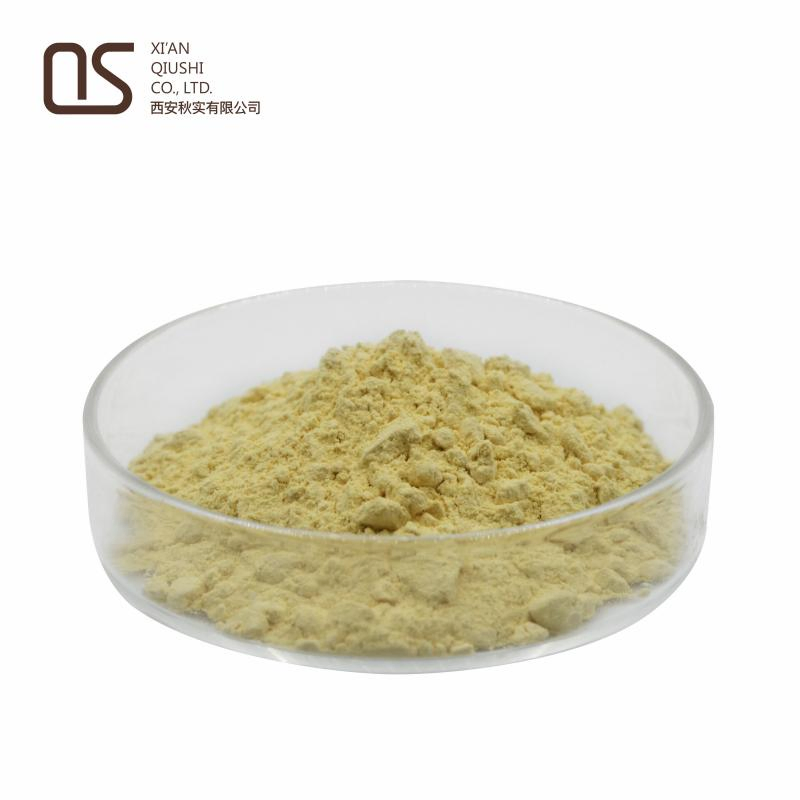
Hydroxypinacolone Retinoate (HPR) is a next-generation retinol derivative prepared through advanced chemical synthesis. It features excellent skin compatibility and stability, making it a premier choice for anti-aging skincare. Unlike traditional retinol, HPR acts directly on skin receptors without requiring metabolic conversion, significantly reducing the risk of irritation while maintaining high biological activity. It is ideal for sensitive skin formulations aiming to improve texture, fine lines, and overall skin delicacy.
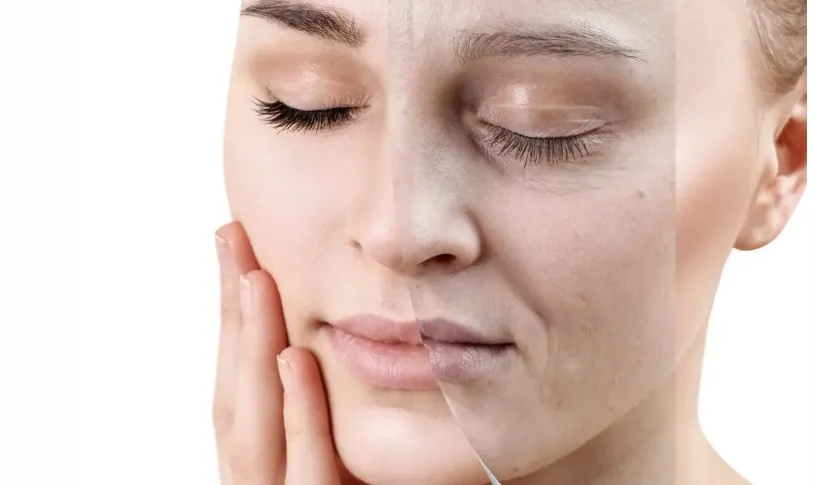
HPR is primarily used in anti-aging products to reduce wrinkles and enhance skin elasticity. By activating retinoic acid receptors in the dermis, it promotes the synthesis of collagen and elastic fibers. This process strengthens the skin's support structure, helping to fill in nasolabial folds and forehead lines, resulting in a firmer, more youthful appearance.
What is the purity of your Hydroxypinacolone Retinoate?
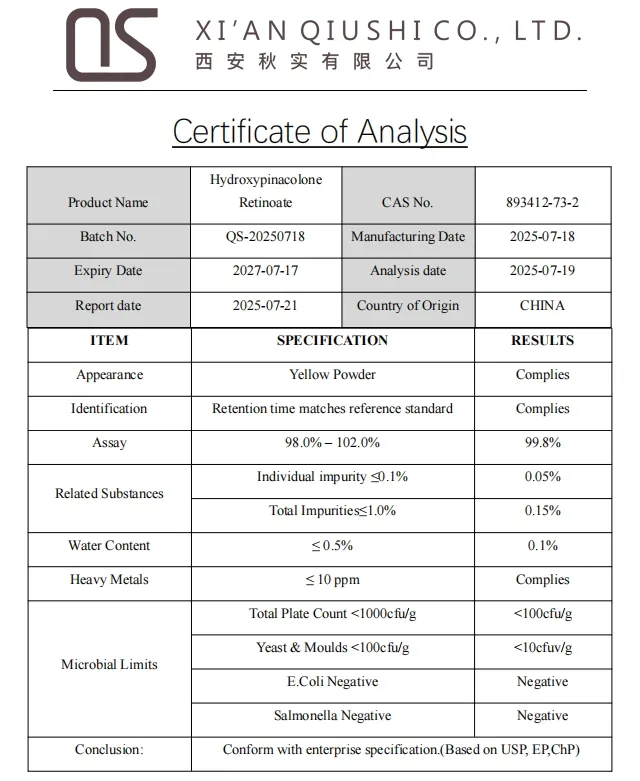
Our HPR powder maintains a high purity level of over 99%, tested via HPLC to ensure maximum efficacy and safety for cosmetic formulations.
How does HPR differ from traditional Retinol?
HPR is a direct-acting ester of retinoic acid. Unlike retinol, it does not need to be converted by the skin, which results in faster results with significantly less irritation and redness.
Is this ingredient suitable for sensitive skin?
Yes, HPR is known for its mild nature. It provides the anti-aging benefits of retinoids without the typical side effects, making it suitable for sensitive skin types.
What are the primary storage requirements?
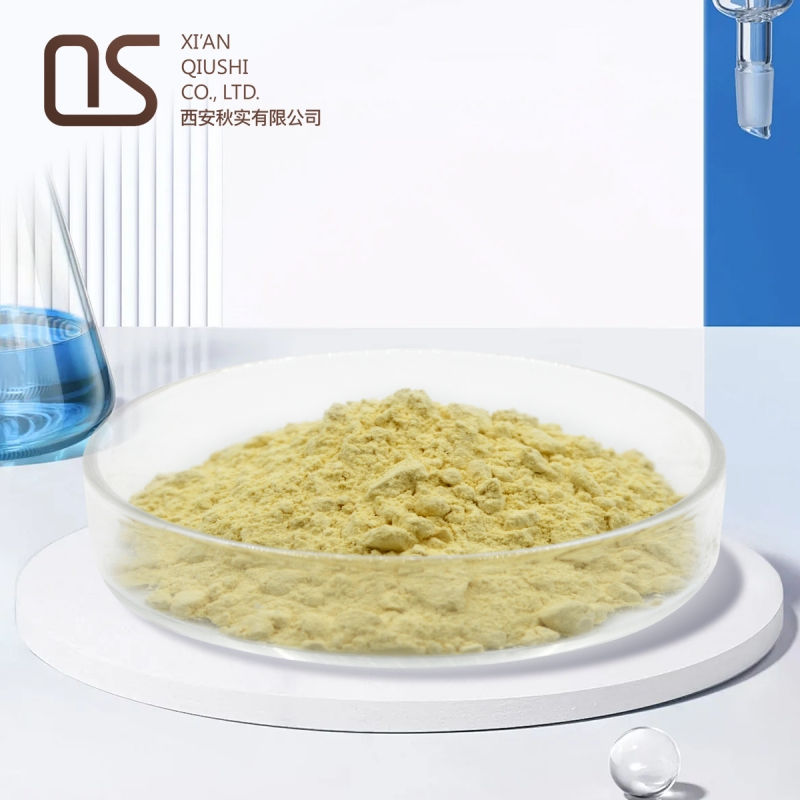
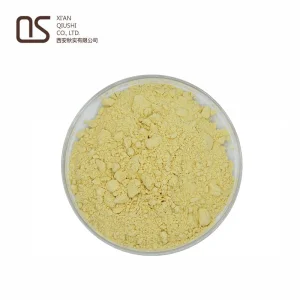
It should be stored in a cool, dry place away from direct sunlight and moisture to maintain its chemical stability and yellow powder form.
Can this be used in scientific research?
Absolutely. With its clear molecular structure (C26H38O3), it is frequently used as a tool reagent in laboratories to study absorption pathways and skin physiology.
What is the production capacity for bulk orders?
Our current production capacity is approximately 500kg per month, allowing us to support both scientific research needs and large-scale cosmetic manufacturing.
 Herbpro Biotech